
What is laser mole removal?
Most moles (naevi) are harmless clusters of pigment cells. Many people still want them gone because they sit in a visible place, catch on clothing or razors, or simply change how they feel about their face. Laser mole removal is a minor procedure in which a doctor uses an ablative laser to remove the mole tissue in very thin layers until the pigment is gone, keeping the wound as shallow as possible.
The same approach works for other small, benign growths that international visitors often ask about:
- Flat or slightly raised brown moles on the face and neck
- Skin tags around the neck, underarms and eyelids
- Milia — tiny white bumps, often under the eyes
- Flat warts, including clusters on the face (see warts on the face)
- Small cherry angiomas (red dots)
Laser removal is a cosmetic choice for spots that look benign. It is not a test for skin cancer, and it is not the right tool for every mole — which is why the first step is always an examination by a doctor.
Which moles can be lasered — and which should not
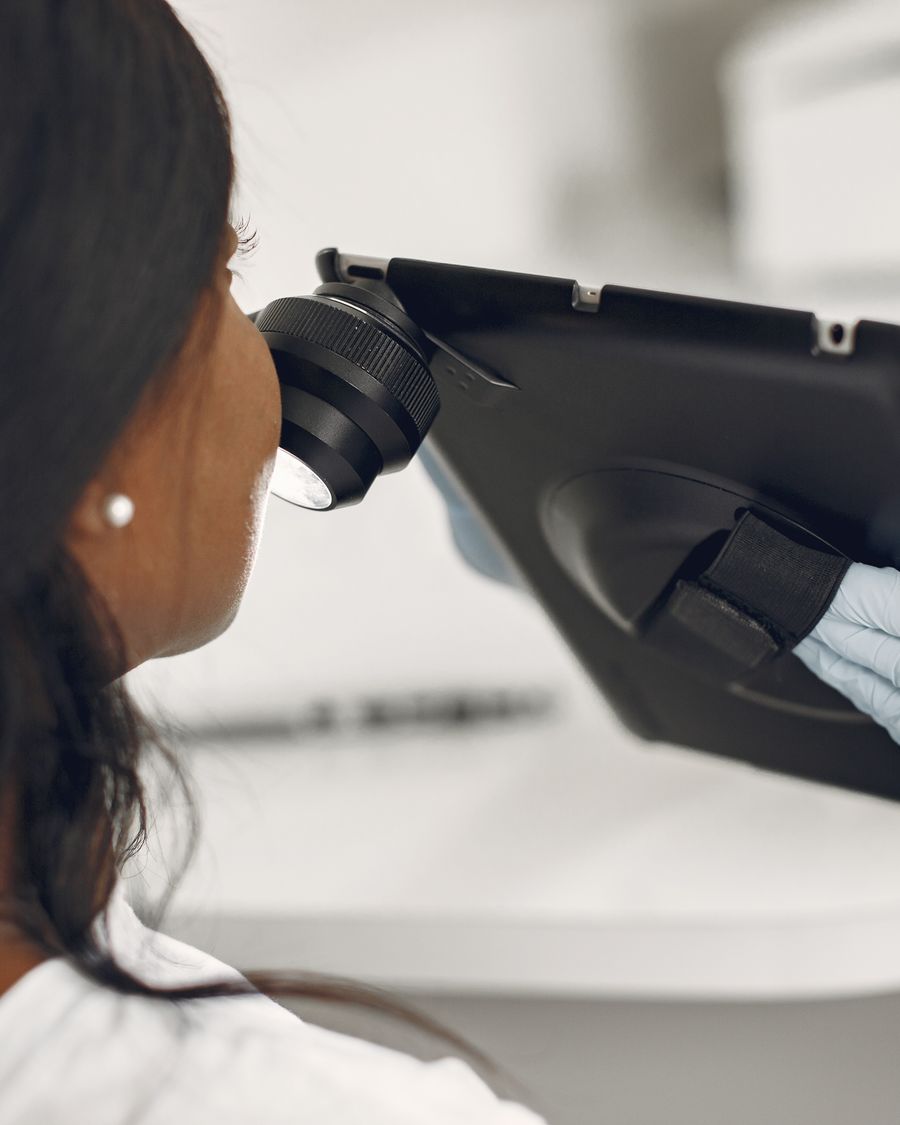
Before treatment, the doctor looks at each spot, often with magnification. A mole is usually suitable for laser removal when it is small, evenly coloured, symmetrical, has a smooth border and has not changed recently. We recommend a biopsy or referral instead when a mole shows warning signs, often summarised as ABCDE:
- A symmetry — one half does not match the other
- B order — ragged, blurred or notched edges
- C olour — several shades of brown, black, red or blue
- D iameter — larger than about 6mm, or clearly bigger than your other moles
- E volving — growing, itching, bleeding or changing shape
Because a laser vaporises tissue, nothing is left to send to a laboratory. For that reason we would rather turn a spot away than laser something that deserves a proper diagnosis. If you have several moles you are unsure about, a dedicated skin analysis visit is a calm way to go through them one by one.
| Spot | Size / amount | Price |
|---|---|---|
| Mole | Under 2mm | ₩10,000 |
| Mole | 2–4mm | ₩15,000 |
| Mole | 5mm and larger | ₩20,000 |
| Skin tag, milia, hemangioma or flat wart | Each | ₩10,000 |
| Flat warts | About 30 / 50 / 100 / 200 | ₩250,000 / ₩400,000 / ₩750,000 / ₩1,000,000 |
Prices in KRW, 10% VAT not included, updated September 2026. See the full mole removal price list.
What changes after mole removal
Right after treatment the spot looks like a small, shallow dip. Under a patch it usually closes within 7–10 days, then stays pink for a while before blending in. Deeper or darker moles sometimes leave a faint trace of pigment, which is why a gentle second pass is part of the plan for some patients. Strict sun protection — and, if needed, later laser toning — helps the mark settle evenly.
How a mole removal visit works
- Doctor check Each spot is examined and marked; anything atypical is set aside for biopsy or referral.
- Numbing Numbing cream for small spots, or a tiny local anaesthetic injection for deeper moles.
- Laser removal The mole is removed in thin layers, usually a minute or two per spot.
- Patch & aftercare Hydrocolloid patches go on and you get written aftercare instructions in English.
Most visits take 20–40 minutes including numbing, so mole removal fits easily into a short stay in Seoul. Plan it early in your trip: you can fly with patches on, but it is easier to have the first patch change done while you are still close to the clinic. If you also want to fade freckles or sun spots, ask about a later session of age spot treatment once the wounds have healed.
Downtime, side effects and aftercare
Mole removal is a small procedure, but it does create a small wound, and healing matters as much as the laser itself.
- Common: a shallow, moist wound kept under a patch for about 7–10 days, followed by a pink or slightly red mark that usually fades over 1–3 months.
- Less common: post-inflammatory darkening (a brown mark), especially in medium to darker skin or with sun exposure; some pigment returning in deeper moles, which may need a second session after 1–3 months.
- Rare: a small depressed or raised scar, infection, or a keloid in people prone to them — tell us if you have had a keloid before.
Who should wait or tell the doctor first
Please tell the doctor if you are pregnant or breastfeeding, take blood thinners or isotretinoin, have a history of keloids or poor wound healing, or are allergic to local anaesthetics. We do not laser a mole that has recently changed, bled or itched without investigation.
Aftercare
Keep the area clean and covered with the patch, change it when it turns white and swollen, and avoid picking or scrubbing. Use SPF 50 on the treated spot for at least three months to reduce the risk of a brown mark.

Dr. Jimin Kang, Medical Director
Every mole removal plan at Bailor starts with a face-to-face skin assessment by a doctor — not a sales counsellor. Dr. Kang's approach is "tailored, not templated": she chooses the product, dose and depth for your skin, and treats you herself or works alongside the other doctors on our in-house medical team.
Mole removal FAQ
How much does mole removal cost in Gangnam?
At Bailor Clinic in Sinsa, laser mole removal is ₩10,000 for a mole under 2mm, ₩15,000 for 2–4mm and ₩20,000 for 5mm and larger, VAT excluded. Skin tags and milia are ₩10,000 each. See the mole removal price list.
Does laser mole removal leave a scar?
Small, shallow moles usually heal with a pink mark that fades over 1–3 months. Deeper moles can leave a small flat or slightly depressed mark. Good patch care and sun protection make the biggest difference.
Will the mole come back?
Most small flat moles do not return after laser removal. Some deeper moles show a little pigment again after a few weeks; a second session after 1–3 months is common in that case.
Can every mole be removed with a laser?
No. Moles with uneven colour, irregular borders, recent growth, bleeding or itching should be examined and, if needed, biopsied rather than lasered. The doctor checks every spot before treatment.
Can I fly after mole removal?
Yes. You can fly with hydrocolloid patches on. We give you English instructions so you can continue aftercare at home.
Can I wear makeup afterwards?
Avoid makeup directly on the wound while it is healing. You can apply makeup over the patch, and on the area itself once the skin has fully closed, usually after 7–10 days.