
What are age spots, and why do they appear?
Age spots — also called liver spots, sun spots or solar lentigines — are flat, well-defined patches of extra pigment. Despite the name, they are caused mainly by cumulative UV exposure rather than age itself, which is why they cluster on the cheeks, temples, backs of the hands and upper chest. They are harmless in themselves, but they can make skin look older and uneven.
Not every brown mark is an age spot. On a typical consultation we separate:
- Solar lentigines — flat, sharply bordered spots that respond well to targeted laser
- Melasma — blurry, symmetrical patches driven by hormones and heat, which can worsen with strong laser and need gentle toning
- Seborrheic keratoses — slightly raised, waxy spots that are removed differently, similar to mole and growth removal
- Freckles and post-inflammatory marks — lighter, scattered pigment from genetics or old acne
Any spot that is changing, bleeding, itchy or irregular in colour is checked by the doctor before any cosmetic treatment, and referred for further assessment if needed.
How we treat age spots at Bailor
Because most people have a mix of pigment types, plans usually combine a targeted pass on distinct spots with a toning course for overall tone. A skin analysis helps map pigment that is still below the surface.
| Treatment | How it helps | Typical plan | From |
|---|---|---|---|
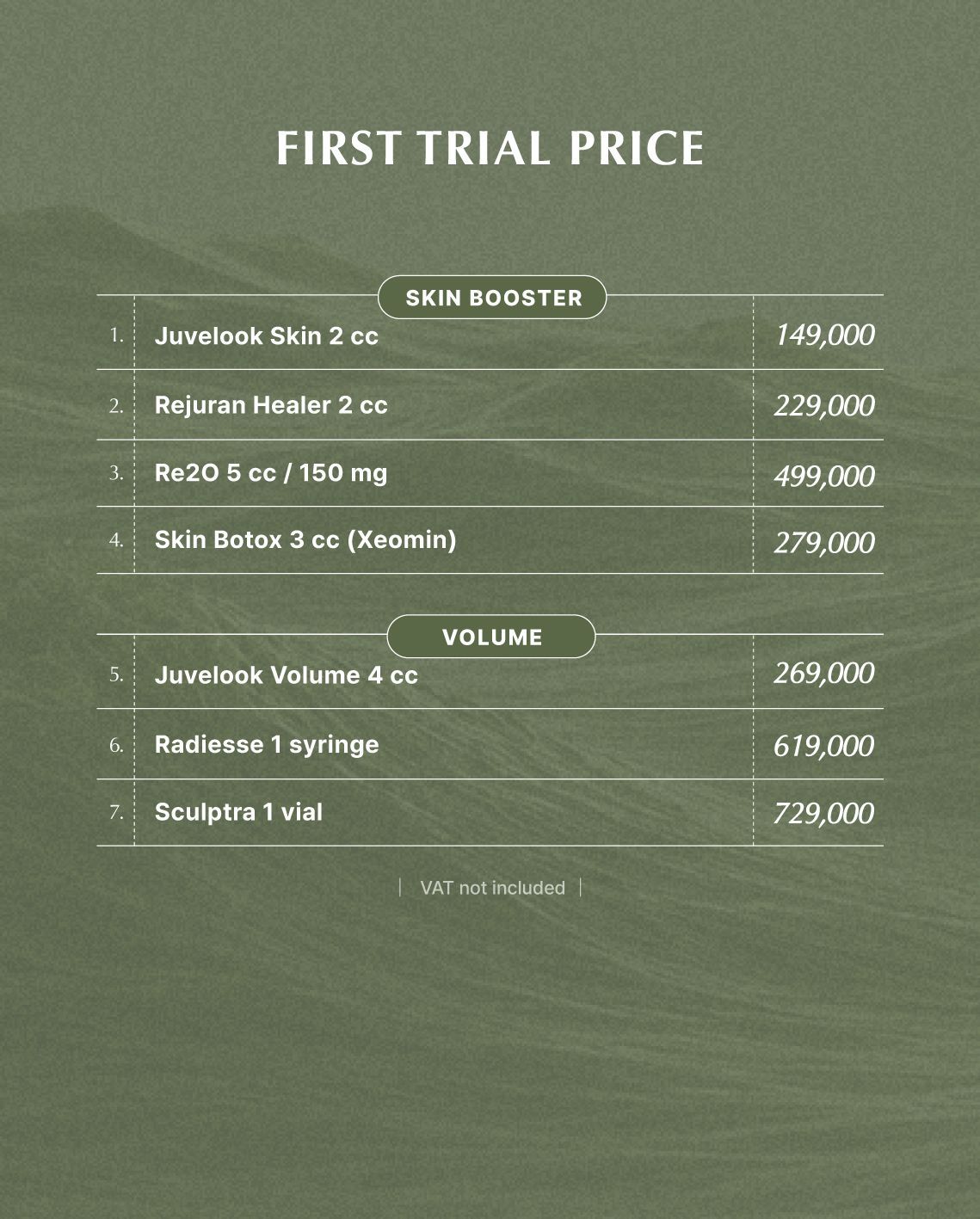
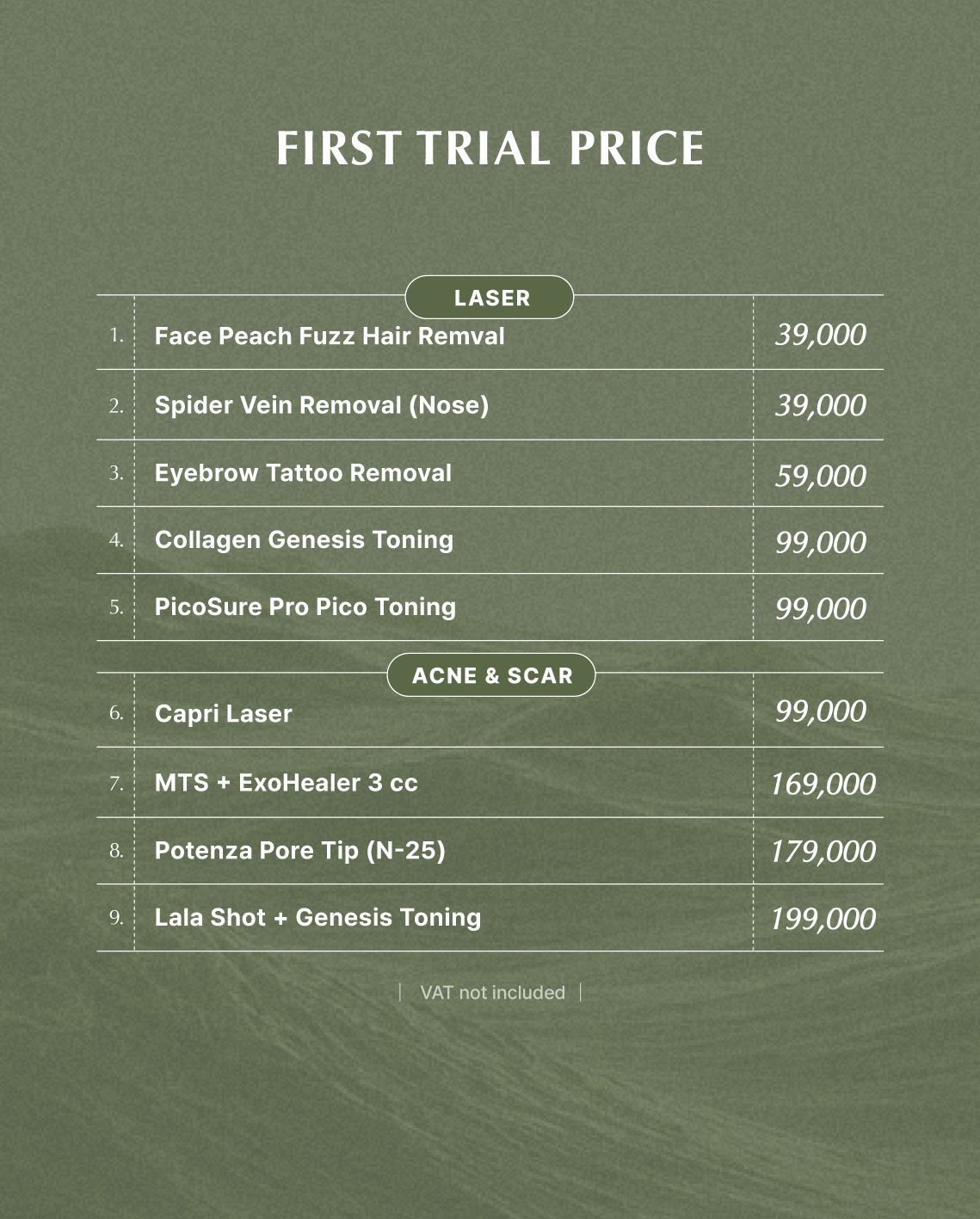
| Pico Toning | Picosecond pulses shatter pigment with less heat | 5–10 sessions | ₩150,000 |
| Pico Fractional | Pigment plus fine texture | 3–5 sessions | ₩200,000 |
| PicoSure Pro toning, 5 sessions | Course for diffuse sun damage | 5 sessions | ₩600,000 |
| Genesis Toning | Gentle heat for dullness and redness around spots | 5 sessions | ₩150,000 |
| White Brightening Toning | Combined brightening protocol | Per session | ₩450,000 |
| Targeted spot laser | Single pass on distinct lentigines | 1–2 sessions | Price confirmed after consultation |
Prices in KRW, 10% VAT not included, updated September 2026. See the full laser toning price list.
If your marks are mainly on the cheekbones after years outdoors, our sun spot treatment page covers the overlap in more detail. Where redness and broken capillaries sit alongside the pigment, Excel V may be added.
What changes after age spot treatment
Distinct age spots usually darken briefly, then lift off as fine crusts, leaving lighter skin underneath within 2–6 weeks. Diffuse pigment fades more gradually across a toning course. For an overall brighter result after the spots are cleared, see our brightened skin tone plans.
How an age spot visit works
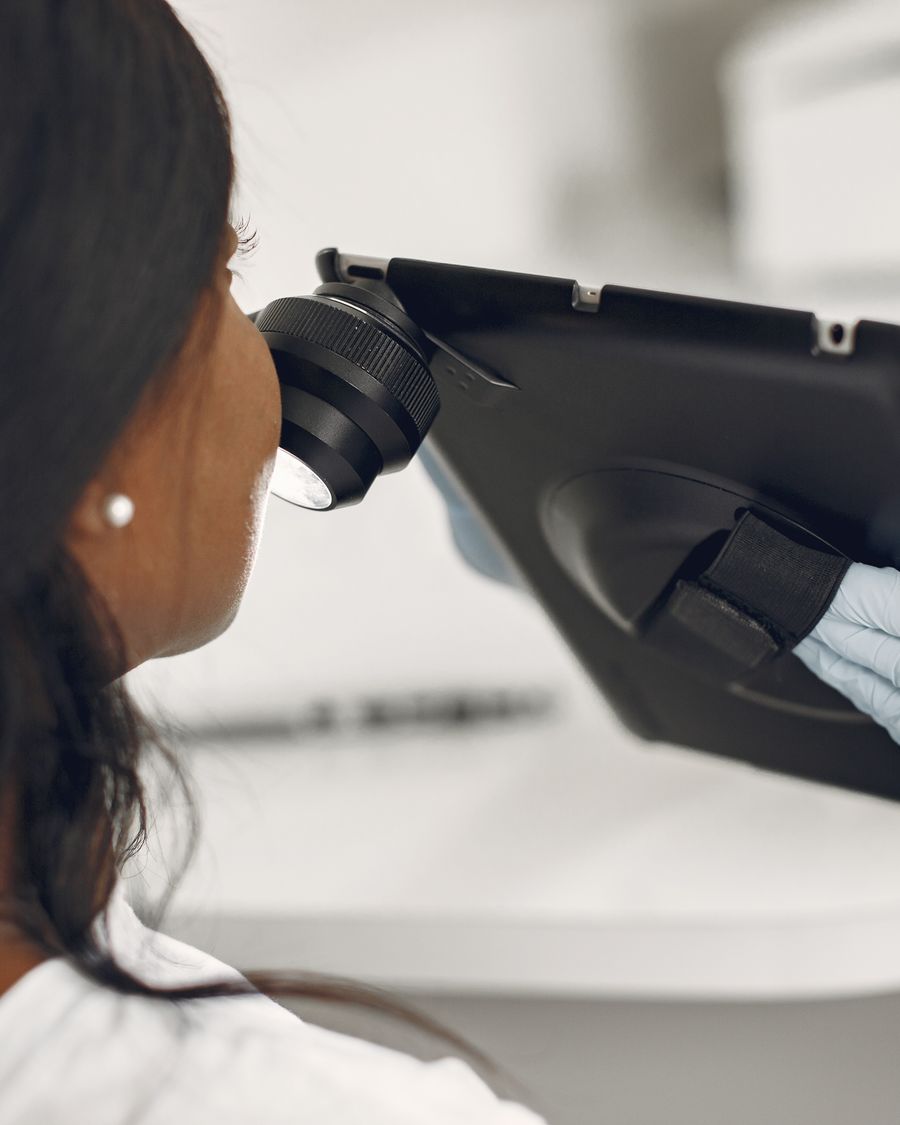
- Spot check The doctor examines each mark, separates lentigines from melasma or growths, and flags anything that needs medical review.
- Plan & settings Wavelength, energy and spot size are chosen for your skin tone to limit the risk of dark rebound marks.
- Laser 10–30 minutes. Most people describe a quick snapping sensation; numbing cream is used for denser areas.
- Calming & SPF Cooling, a soothing cream and sunscreen before you leave. Spot crusts are left to fall off on their own.
Visiting Seoul for a short stay? Targeted spots form small crusts for about a week, so treat early in your trip and plan for sun protection on the flight home. A toning course can be started here and continued at a clinic near you.
Downtime, side effects and who should wait
Pigment lasers are routine, but they are medical treatments and darker or sensitive skin needs careful settings.
- Common: redness and warmth for a few hours; treated spots darken and form thin crusts that shed in 5–10 days; mild swelling.
- Less common: post-inflammatory hyperpigmentation (temporary darkening), especially in deeper skin tones or after sun exposure; a spot that needs a second pass.
- Rare: lighter patches (hypopigmentation), blistering, scarring or infection.
Tell the doctor first if you
- Are pregnant or breastfeeding, or have melasma that flares with hormones
- Use isotretinoin, retinoids, or photosensitising medicines or supplements
- Have a recent tan, active cold sores, or a history of keloids
- Notice any spot that is new, growing, bleeding or changing
Aftercare is simple: daily SPF 50, a hat outdoors, gentle cleansing and no picking. Pigment can return with ongoing sun exposure, so most people plan occasional maintenance toning.

Dr. Jimin Kang, Medical Director
Every age spot plan at Bailor starts with a face-to-face skin assessment by a doctor — not a sales counsellor. Dr. Kang's approach is "tailored, not templated": she chooses the product, dose and depth for your skin, and treats you herself or works alongside the other doctors on our in-house medical team.
Age spot FAQ
How much does age spot removal cost in Gangnam?
At Bailor Clinic in Sinsa, laser toning for pigment starts from ₩120,000 per session (Zoom Pass) and Pico Toning from ₩150,000; a PicoSure Pro 10-session course is ₩1,800,000, VAT excluded. Targeted single-spot pricing is confirmed after the doctor examines your spots. See the laser toning price list.
How many sessions does it take to remove age spots?
Well-defined lentigines often fade a lot after 1–2 targeted sessions. Widespread sun damage or mixed pigment usually needs 5–10 toning sessions 1–2 weeks apart.
Will age spots come back?
Treated pigment is cleared, but new spots can form with continued UV exposure. Daily SPF and occasional maintenance toning help keep results.
Can melasma be treated the same way?
No. Melasma can darken with strong laser energy, so it is treated with low-energy toning and skincare. This is why the doctor identifies each mark before treatment.
Can I treat spots on my hands too?
Yes, age spots on the backs of the hands respond to the same lasers, though healing can be a little slower than on the face.
Is the consultation in English?
Yes. You can also send clear photos of your spots in advance on WhatsApp at +82 10-3054-1757 for a first impression from our team.