
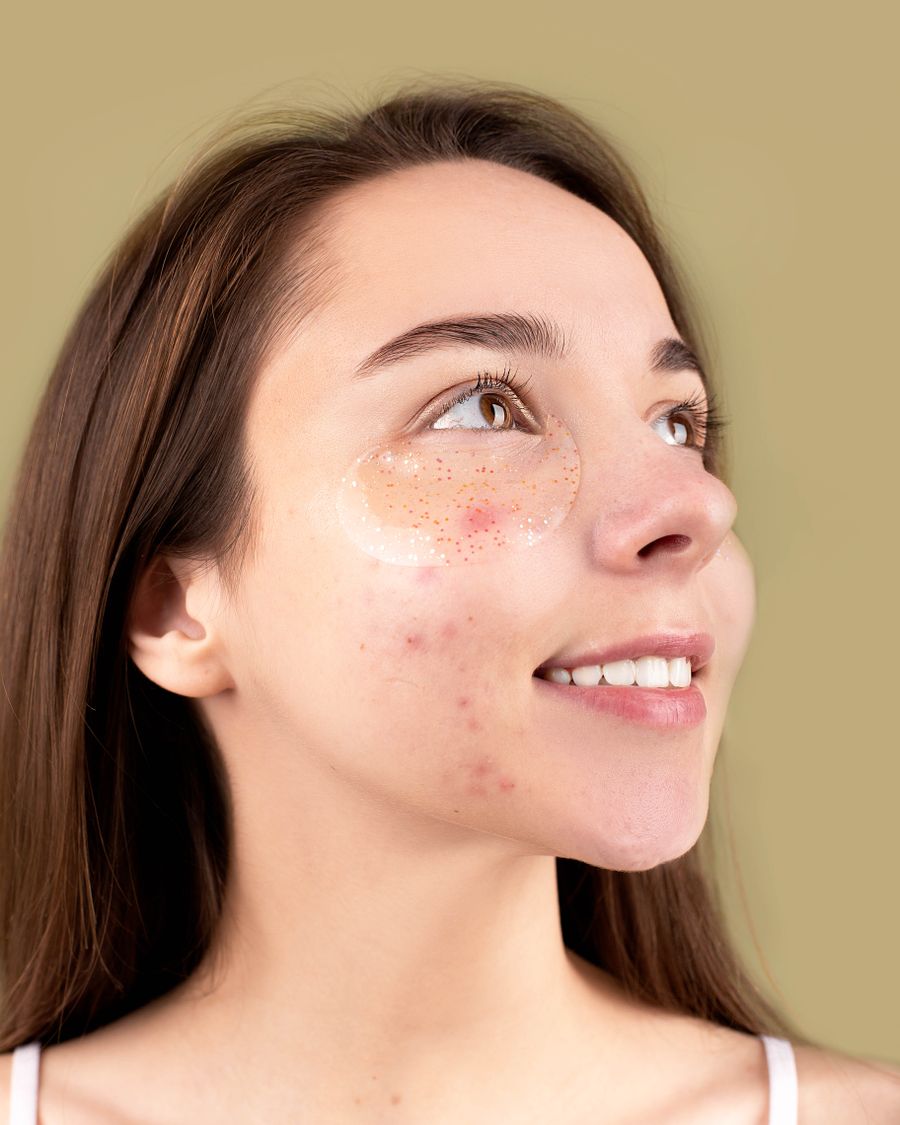
What are milia under the eyes?
Milia (one is a milium) are tiny cysts, usually 1–2 mm, filled with keratin — the same protein that makes up the outer layer of skin. Instead of shedding normally, the keratin becomes trapped in a small pocket just under the surface, forming a pearly white or yellowish dome. They are not pimples: there is no opening, no inflammation, and squeezing them usually just irritates the skin.
They are especially common around the eyes because the skin there is thin and turns over slowly. Things that can make them more likely include:
- Rich, occlusive eye creams or heavy makeup used every day
- Sun damage, which thickens the outer skin layer over time
- Healing after a burn, blister, resurfacing laser or other skin treatment
- A natural tendency — some people simply form milia more easily
Milia are harmless, but they can last for months or years and are noticeable on the smooth under-eye area, which is why many people choose to have them removed.
How are milia removed — and what else might help?
Because milia sit under an intact skin surface, they need to be opened to be removed. Doing this at home with pins or tweezers near the eye risks infection, scarring and pigment marks, so we recommend a doctor's visit. Here is how the options compare:
| Option | When it fits | Price |
|---|---|---|
| Doctor extraction | Visible milia you want gone now — the main treatment | ₩10,000 per milium |
| Same-visit check of other bumps | If you also have skin tags, small moles or flat warts nearby | From ₩10,000 |
| Skincare changes | To reduce new milia: lighter eye products, gentle exfoliation away from the lash line, sunscreen | — |
| Under-eye skin quality plans | If you also want to improve fine lines or thin, crepey skin | Price confirmed after consultation |
Prices in KRW, 10% VAT not included, updated September 2026. See the mole, milia and skin tag price list.
Clusters of many milia, or milia that keep coming back in the same place, are worth mentioning to the doctor, as they can occasionally be linked to other skin conditions.
What changes after milia removal
Once a milium is emptied, the bump is gone straight away; what remains is a tiny pink mark that fades within days. Removed milia do not come back, but new ones can form, so lighter eye products and sunscreen help. If the under-eye skin itself feels thin or lined, a doctor may suggest a gentle Rejuran eye plan later on.
How a milia removal visit works
- Check & count The doctor confirms each bump is a milium — not a syringoma, cholesterol deposit or other growth — and agrees with you which ones to treat.
- Prep The area is cleansed; numbing cream is applied if you prefer, though many people go without.
- Extraction A tiny opening is made over each milium with a sterile instrument and the keratin is lifted out. Usually a few minutes in total.
- Soothe Antiseptic care and, if needed, a small ointment. You can go straight back to your day.
Milia removal is easy to add on to another visit. If you are in Seoul for a booster or laser treatment, mention your milia when you book and the doctor can remove them the same day.
Side effects and aftercare
This is a minor procedure, but the eye area is delicate, so it should be done in a clean clinical setting.
- Common: small pink or red dots where milia were removed, occasionally a tiny scab, lasting about 2–5 days.
- Less common: a pinpoint bruise, or a milium that was very deep and needs a second attempt.
- Rare: infection, temporary darkening of the spot, or a small scar.
Tell the doctor if you
- Are pregnant, take blood-thinning medicine, or have a skin infection or active eczema around the eyes
- Have a history of keloid scars or slow wound healing
- Have had bumps that changed in size or colour, or appeared after a new medication
Aftercare
Keep the area clean and dry for the rest of the day. Skip eye makeup and rich eye creams for 2–3 days, don't pick at any small scabs, and wear sunscreen to protect against marks.

Dr. Jimin Kang, Medical Director
Every milia removal plan at Bailor starts with a face-to-face skin assessment by a doctor — not a sales counsellor. Dr. Kang's approach is "tailored, not templated": she chooses the product, dose and depth for your skin, and treats you herself or works alongside the other doctors on our in-house medical team.
Milia removal FAQ
How much does milia removal cost in Gangnam?
At Bailor Clinic in Sinsa, milia removal is ₩10,000 per milium, VAT excluded — the same price as a small skin tag or flat wart. See the full price list.
Can I remove milia myself?
We don't recommend it near the eyes. Milia have no opening, so squeezing doesn't work, and using needles at home can cause infection, scarring or dark marks.
Does milia removal hurt?
Most people feel a brief, sharp prick for each milium. Numbing cream can be applied first if you are sensitive.
Will the milia come back?
A milium that has been fully removed doesn't return, but new ones can form, especially if you use heavy eye creams. Lighter products and daily sunscreen help.
Can I wear makeup afterwards?
It's best to skip eye makeup for 2–3 days while the tiny marks heal. Light makeup elsewhere on the face is fine.
Is the consultation in English?
Yes. You can send a close-up photo on WhatsApp at +82 10-3054-1757 so our team can give you a rough count and estimate before you visit.