
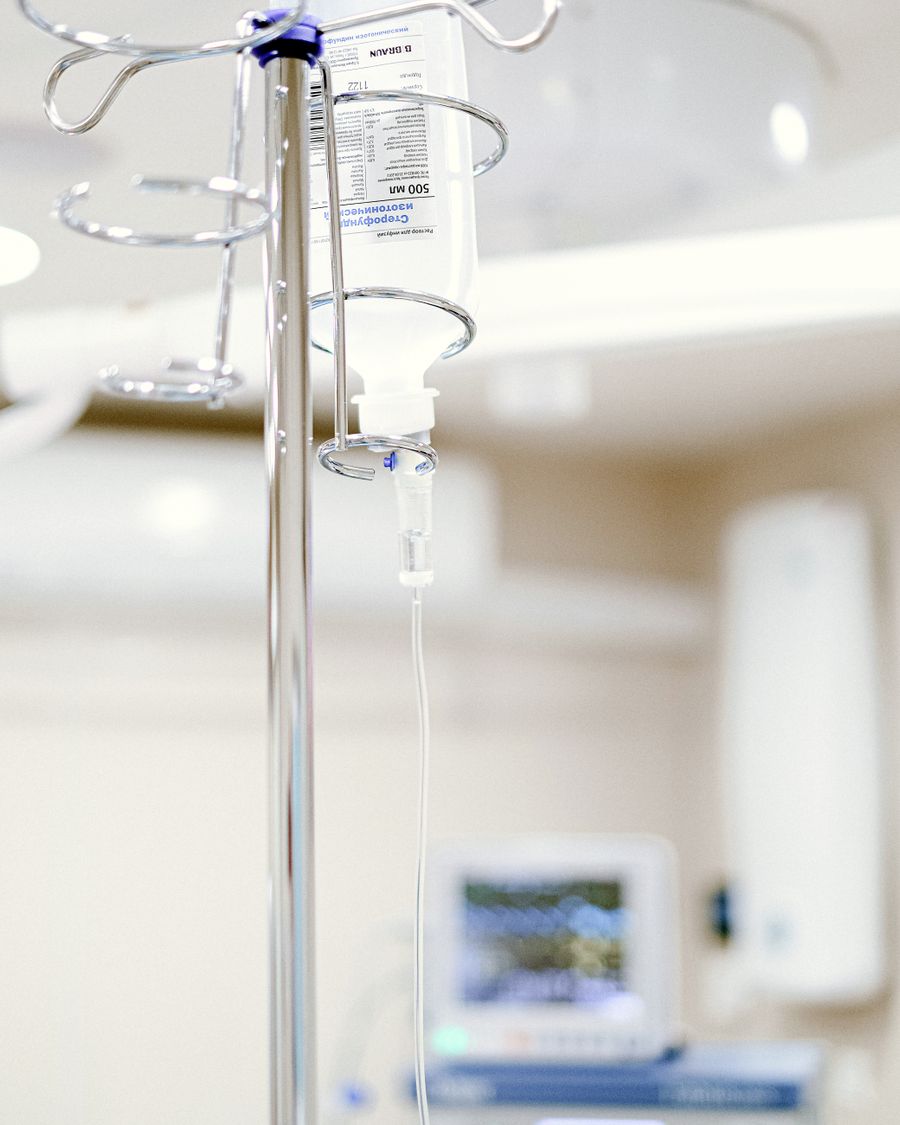
What is a whitening injection?
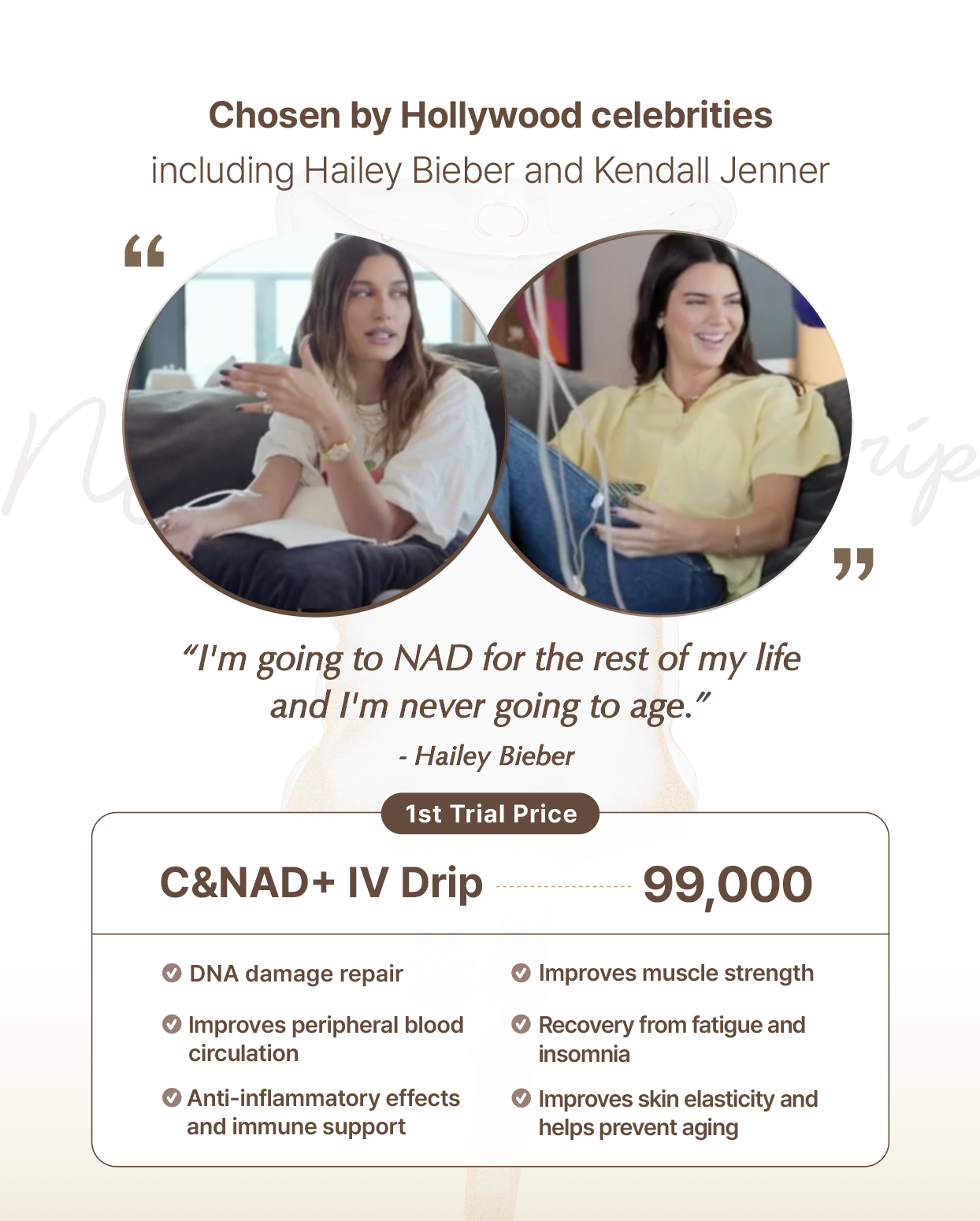
In Korean clinics, the term whitening injection(미백주사) usually refers to an intravenous drip containing glutathione, often with high-dose vitamin C. Both are antioxidants involved in how skin cells handle oxidative stress, and glutathione may shift melanin production towards lighter pigment.
We prefer the word brightening, because it describes a realistic goal more accurately:
- a fresher, less sallow or tired-looking complexion;
- support for a more even tone while other treatments target spots;
- maintaining results between laser sessions.
What a drip will not do is change your natural skin colour, remove sun spots, or clear melasma on its own. Pigment problems have specific causes, and the doctor's first job is to work out which one you have.
Why “whitening” is the wrong goal
Healthy skin of any shade can look bright and even. Trying to lighten skin beyond its natural tone is not something we support, and it is not what these drips do. Our aim is to reduce what makes skin look uneven — sun damage, marks and redness — and protect the result. That approach works for every skin type, including deeper skin tones, which need careful laser settings to avoid post-inflammatory darkening.
How we build a brightening plan around the injection
Dullness and uneven tone usually have more than one cause — sun damage, post-acne marks, redness, melasma or simple dehydration. The doctor matches each cause to a treatment, and the IV drip becomes one supporting part:
| Cause of uneven tone | Main treatment | From |
|---|---|---|
| General dullness, fatigue | Glutathione + vitamin C IV | ₩50,000 |
| Diffuse pigment, mild melasma | Pico toning | ₩150,000 |
| Brightening-focused laser course | White Brightening Toning | ₩450,000 |
| Redness and visible vessels | Excel V/ Genesis toning | ₩150,000 |
| Sun spots, freckles | Sun spot treatment | Price confirmed after consultation |
| Dry, sallow skin | Skin boosters | ₩150,000 |
Prices in KRW, 10% VAT not included, updated September 2026.
For most patients the most visible change comes from the laser part of the plan; the drip is optional and many people skip it. Hydration from skin boosters can also make tone look more even, because dehydrated skin reflects light poorly.
What a brightening plan can change
A combined plan typically shows gradual evening of tone over 4–10 toning sessions, with drips adding a subtle freshness for some people. See the Genesis toning page for a gentle laser that suits dullness and mild redness.
How a whitening injection visit works
- Tone assessment The doctor examines your pigment and redness and explains what is causing the unevenness.
- Screening Allergies, pregnancy, medications, G6PD deficiency and kidney stones are checked.
- IV drip About 20–40 minutes resting while the drip runs; laser toning can come before or after.
- Sun protection You leave with SPF advice — without it, any brightening fades quickly.
If you are in Seoul for a short stay, a single drip is mainly a refresh. For tone that stays more even, the doctor will usually recommend a course of toning and a home routine; see our page on sallow skin for how dullness is approached.
Side effects and who should avoid whitening injections
Brightening drips are generally well tolerated, but they are intravenous treatments and must be screened by a doctor:
- Common: small bruise or soreness at the IV site; coolness in the arm during the drip.
- Less common: nausea, headache, light-headedness or a metallic taste, usually eased by slowing the drip.
- Rare: allergic reaction, vein inflammation or infection at the IV site; serious skin reactions have been reported very rarely with IV glutathione.
Not suitable, or tell the doctor first, if you
- are pregnant or breastfeeding;
- have G6PD deficiency, kidney stones or kidney disease (high-dose vitamin C);
- have asthma or previous reactions to IV treatments;
- take regular medication, or are under treatment for cancer or a chronic illness.
Be cautious of products sold online as “whitening injections” for self-use; injections should only be given by medical staff.

Dr. Jimin Kang, Medical Director
Every whitening injection plan at Bailor starts with a face-to-face skin assessment by a doctor — not a sales counsellor. Dr. Kang's approach is "tailored, not templated": she chooses the product, dose and depth for your skin, and treats you herself or works alongside the other doctors on our in-house medical team.
Whitening injection FAQ
What is in a whitening injection?
At Bailor, it is usually our Base Formula IV — glutathione and vitamin C — given as a drip. The doctor may adjust it after screening.
How much does a whitening injection cost?
The Base Formula IV (glutathione + vitamin C) is ₩50,000, VAT excluded, with optional add-ons from ₩5,000 to ₩35,000. See the IV drip price list.
Will it make my skin lighter?
It is not designed to change your natural skin colour. Some people notice a subtle, temporary brightening; results vary and evidence is limited.
Is a whitening injection enough for melasma or sun spots?
No. Melasma and spots need targeted treatments such as pico toning or spot lasers, plus daily sunscreen. A drip can only play a supporting role.
How often can I have it?
For a brightening course, typically weekly or every 1–2 weeks for several weeks, as advised by the doctor.
Is it safe for darker skin tones?
The drip itself does not depend on skin tone. Laser parts of a brightening plan do, so the doctor chooses gentler settings for deeper skin tones to reduce the risk of post-inflammatory darkening.