
What is a keloid on the ear?
A keloid is a raised, firm scar that forms when the skin produces too much collagen while healing. Unlike an ordinary raised (hypertrophic) scar, a keloid grows beyond the edges of the original wound and does not usually flatten on its own.
On the ear, keloids most often appear:
- On the earlobe or cartilage after a piercing, weeks to months later
- After ear surgery, an injury or an infected piercing
- In people with a personal or family history of keloids
They can be itchy, tender or simply bothersome to look at, and they can slowly grow over time. Not every bump after a piercing is a keloid: some are hypertrophic scars or small cysts that are treated differently. That is why every plan starts with a doctor's examination. For other small skin growths, see our mole removal and wart pages.
How we treat ear keloids at Bailor
Keloids are a medical condition, so treatment is decided by a doctor after examining the scar. The plan depends on size, thickness, how long it has been there and how it was treated before.
- Steroid (corticosteroid) injection — the usual first step. The medicine is injected directly into the keloid to calm inflammation and reduce collagen build-up. Injections are typically repeated every 3–6 weeks, and the keloid usually becomes flatter, softer and less itchy over several sessions.
- Other approaches — for larger or stubborn keloids, the doctor may discuss combining treatments or refer you for surgical removal followed by measures to lower recurrence. Cutting a keloid out on its own carries a high chance of it coming back.
- Redness afterwards — once the keloid flattens, residual redness can sometimes be improved with gentle laser such as Excel V, if the doctor agrees it is suitable.
| Step | What happens | Price |
|---|---|---|
| Doctor assessment | Examination, history and diagnosis | Price confirmed after consultation |
| Steroid injection | Medicine injected into the keloid | Price confirmed after consultation |
| Follow-up sessions | Usually every 3–6 weeks | Price confirmed after consultation |
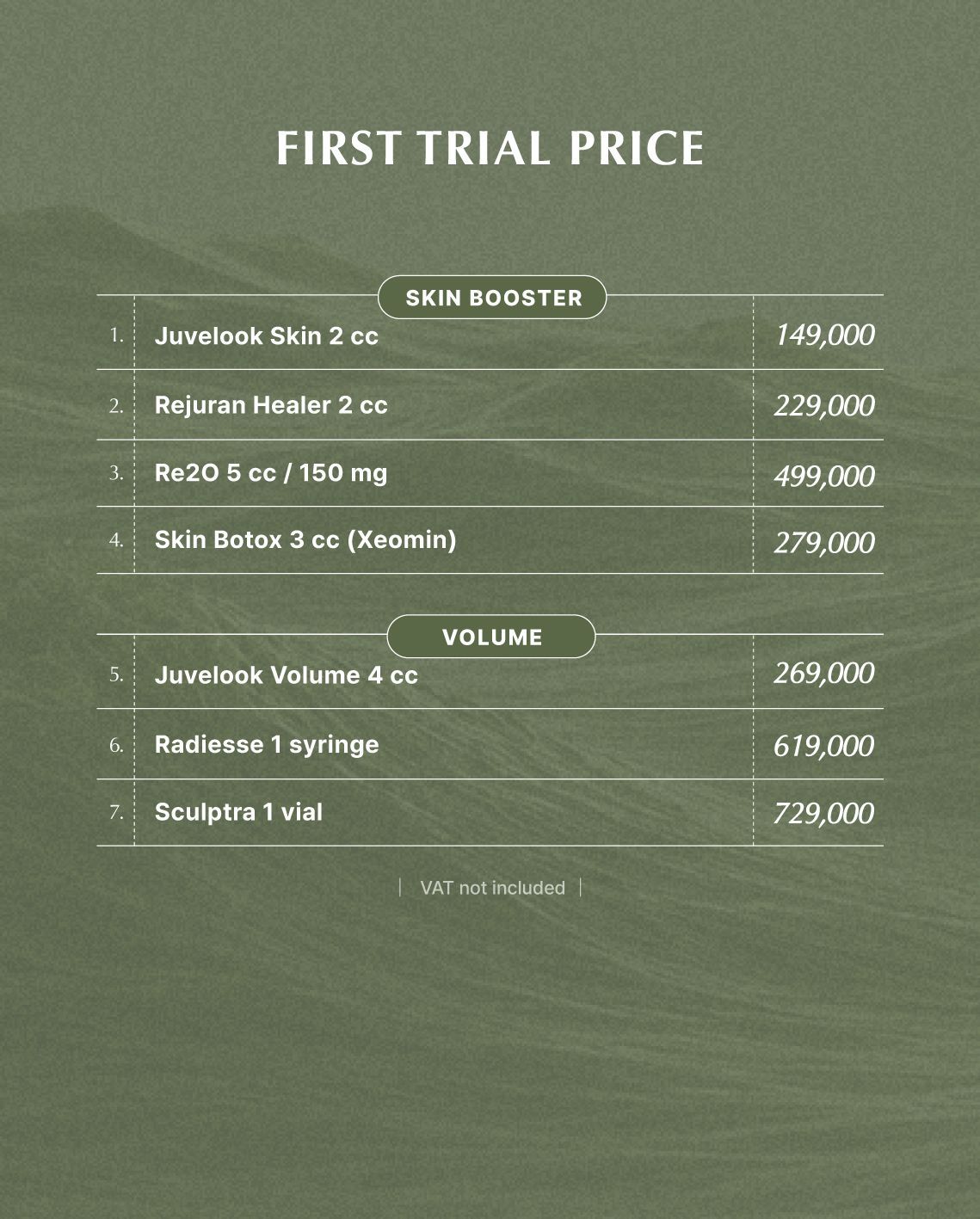
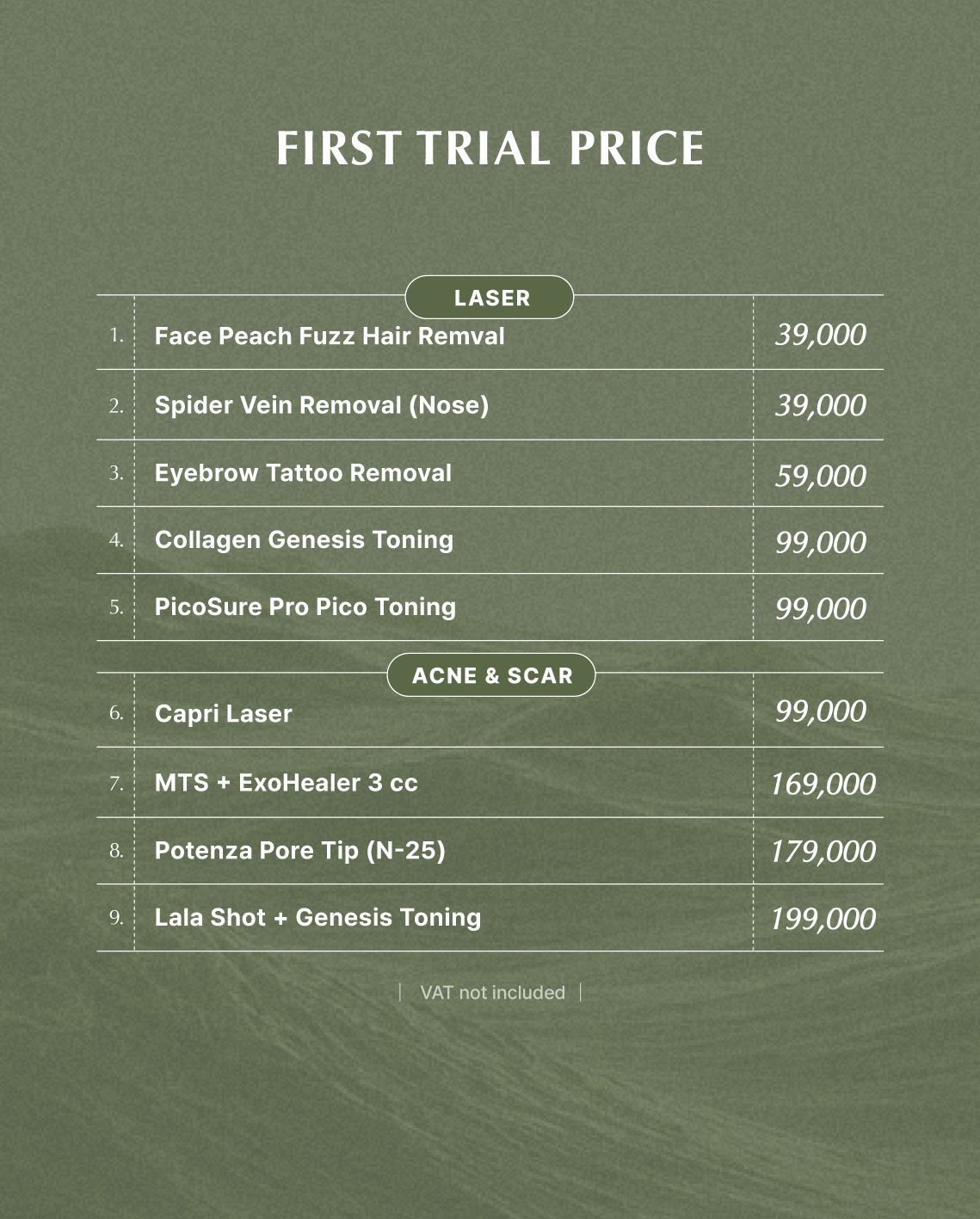
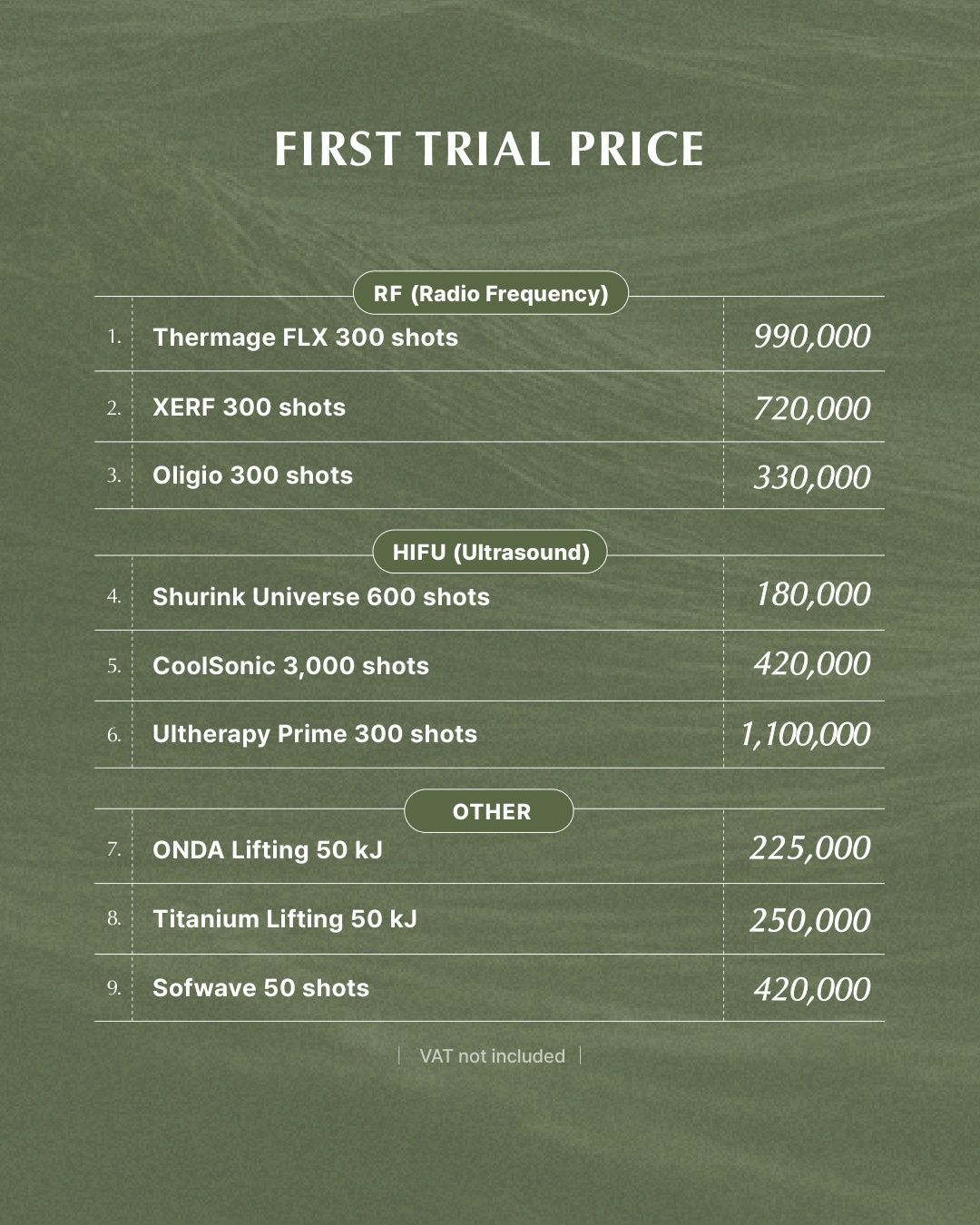
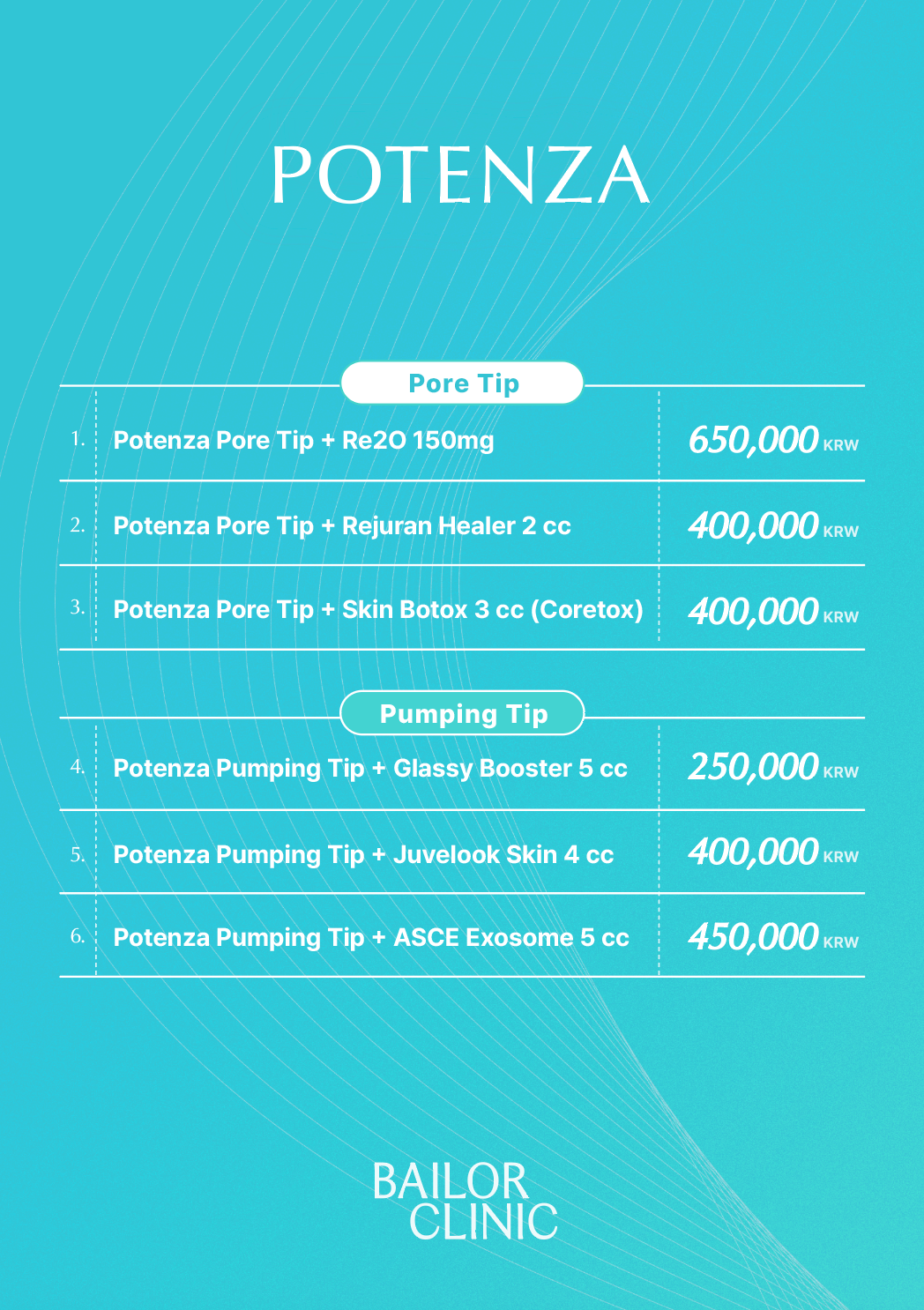
Keloid treatment depends on size and number of sessions, so we confirm the price after the doctor's assessment. Our published price list covers other treatments.
What changes with treatment
Most keloids respond gradually: itching often eases first, then the scar becomes softer and flatter over several sessions. Some flatten well, others partially. If redness remains once the keloid is flat, the doctor may suggest gentle laser care from our scar treatment options.
How an ear keloid visit works
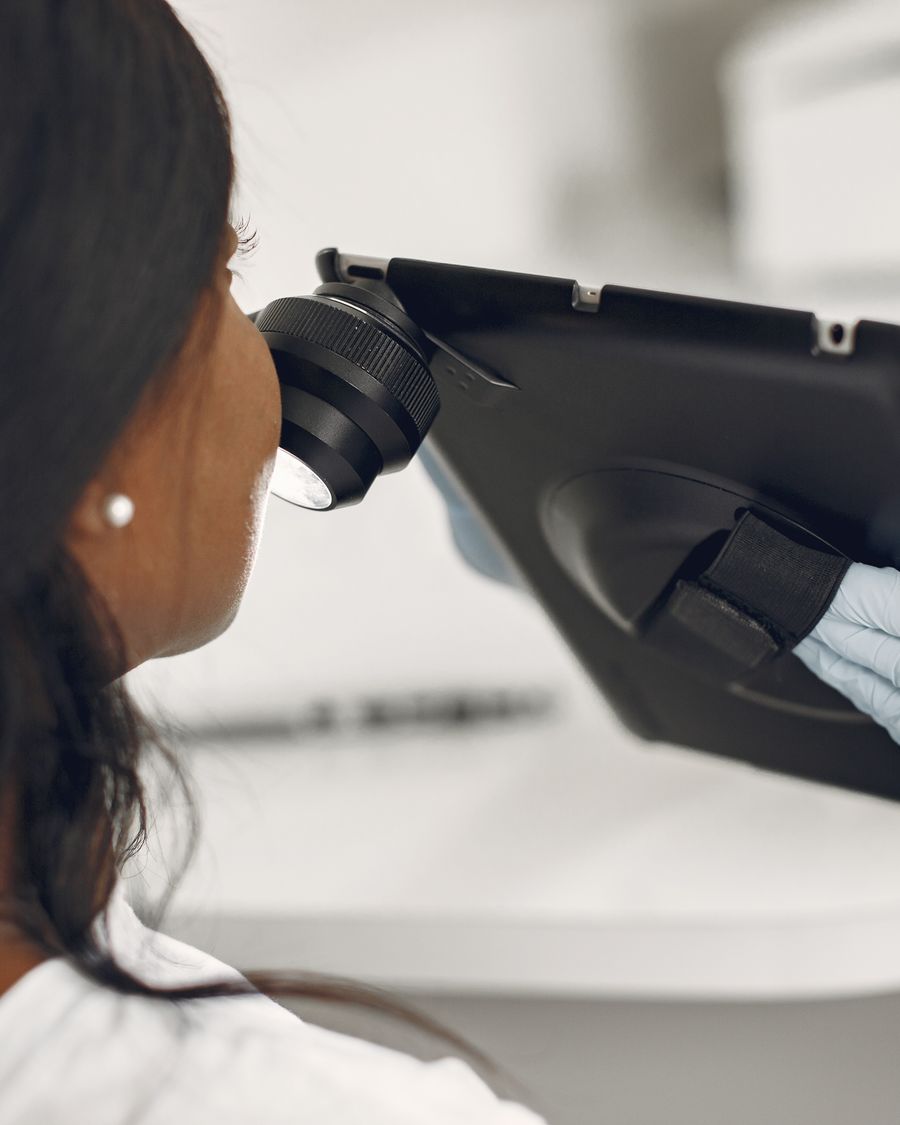
- Doctor examination The doctor looks at the keloid, asks how and when it started and checks previous treatments.
- Plan & price You agree on a plan — usually a series of injections — and the price is confirmed.
- Injection After cleaning and numbing, the medicine is injected into the keloid in about 10–20 minutes.
- Follow-up Return visits every 3–6 weeks to assess change and repeat injections if needed.
If you are visiting Seoul briefly, one injection can be started here, but keloids usually need several sessions. The doctor can explain what to ask for if you continue treatment at home, and you can send progress photos on WhatsApp.
Side effects, recurrence and who should tell the doctor
Steroid injections are a well-established keloid treatment, but they have side effects worth knowing:
- Common: stinging during injection, soreness or mild swelling for 1–2 days, small bruises.
- Less common: thinning or a slight dip in the skin around the keloid, lighter skin colour at the site, or small visible blood vessels.
- Rare: infection, temporary changes in menstrual cycle or blood sugar, or allergic reaction.
Keloids can come back even after successful treatment, so follow-up visits and avoiding new trauma (including re-piercing) are important.
Tell the doctor first if
you are pregnant or breastfeeding, have diabetes, glaucoma or a weakened immune system, take steroid medicines or blood thinners, have any allergies, or have an infected or draining lump — infection is treated before any injection.

Dr. Jimin Kang, Medical Director
Every keloid plan at Bailor starts with a face-to-face skin assessment by a doctor — not a sales counsellor. Dr. Kang's approach is "tailored, not templated": she chooses the product, dose and depth for your skin, and treats you herself or works alongside the other doctors on our in-house medical team.
Keloid FAQ
How much does ear keloid treatment cost in Gangnam?
At Bailor Clinic in Sinsa, keloid treatment is doctor-assessed and the price is confirmed after consultation, because it depends on the size of the keloid and the number of sessions. Our price list shows other treatments.
How many steroid injections will I need?
Usually several, spaced about 3–6 weeks apart. The doctor reviews progress at each visit and adjusts the plan.
Will an ear keloid go away for good?
No treatment can promise that. Keloids can recur, so treatment aims to flatten and control them, with follow-up to catch any regrowth early.
Can I re-pierce my ear after a keloid?
It is generally discouraged, because new trauma can trigger another keloid. Discuss it with the doctor before re-piercing.
Is it a keloid or a piercing bump?
Not every bump is a keloid. Some are hypertrophic scars, cysts or irritation bumps that need different care, so a doctor examination comes first.