

What counts as an injectable treatment?
“Injectables” is a broad family. What they share is the delivery method — a fine needle, a blunt cannula or an IV line — and the fact that a doctor must choose the product and dose carefully. What they do varies a great deal:
- Contour — slimming the jaw with Botox to the masseter, or reducing small fat pockets with fat-dissolving solutions.
- Volume and collagen — gradual support from collagen stimulators such as Juvelook Volume, Sculptra or Radiesse.
- Repair — PDRN (salmon DNA) to support skin recovery and calm redness.
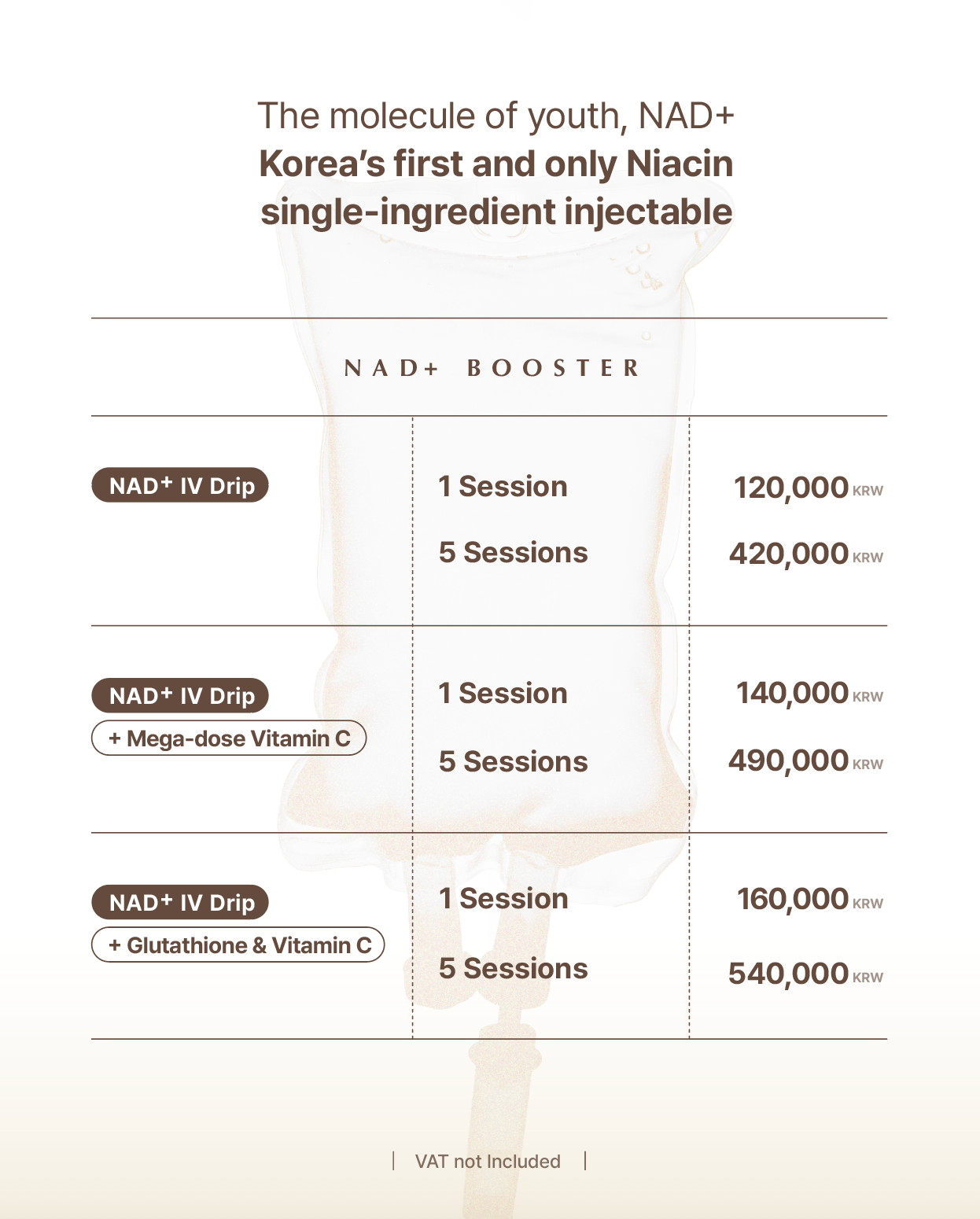
- Systemic — glutathione and vitamin IV drips taken for general wellbeing and skin brightness, where evidence is more limited.
All of these require a doctor's judgement about anatomy, dose and spacing, which is why every injectable at Bailor starts with a face-to-face assessment rather than a menu choice. Classic hyaluronic acid fillers and skin boosters have their own hubs: see dermal fillers and skin boosters.
What injectables can change
Contour injections usually show change over 2–6 weeks, while collagen stimulators build gradually over 1–3 months. For hollows and folds where immediate volume is needed, hyaluronic acid under-eye fillers may be more suitable — the doctor will compare options with you.
How an injectable visit works
- Doctor assessment The doctor examines contour, volume and skin, and explains which injectable fits.
- Preparation Cleansing, marking and numbing cream where needed; IV drips need no numbing.
- Injection 10–40 minutes by needle or cannula; IV drips take about 20–40 minutes.
- Aftercare Cold compress, written aftercare and WhatsApp follow-up for questions.
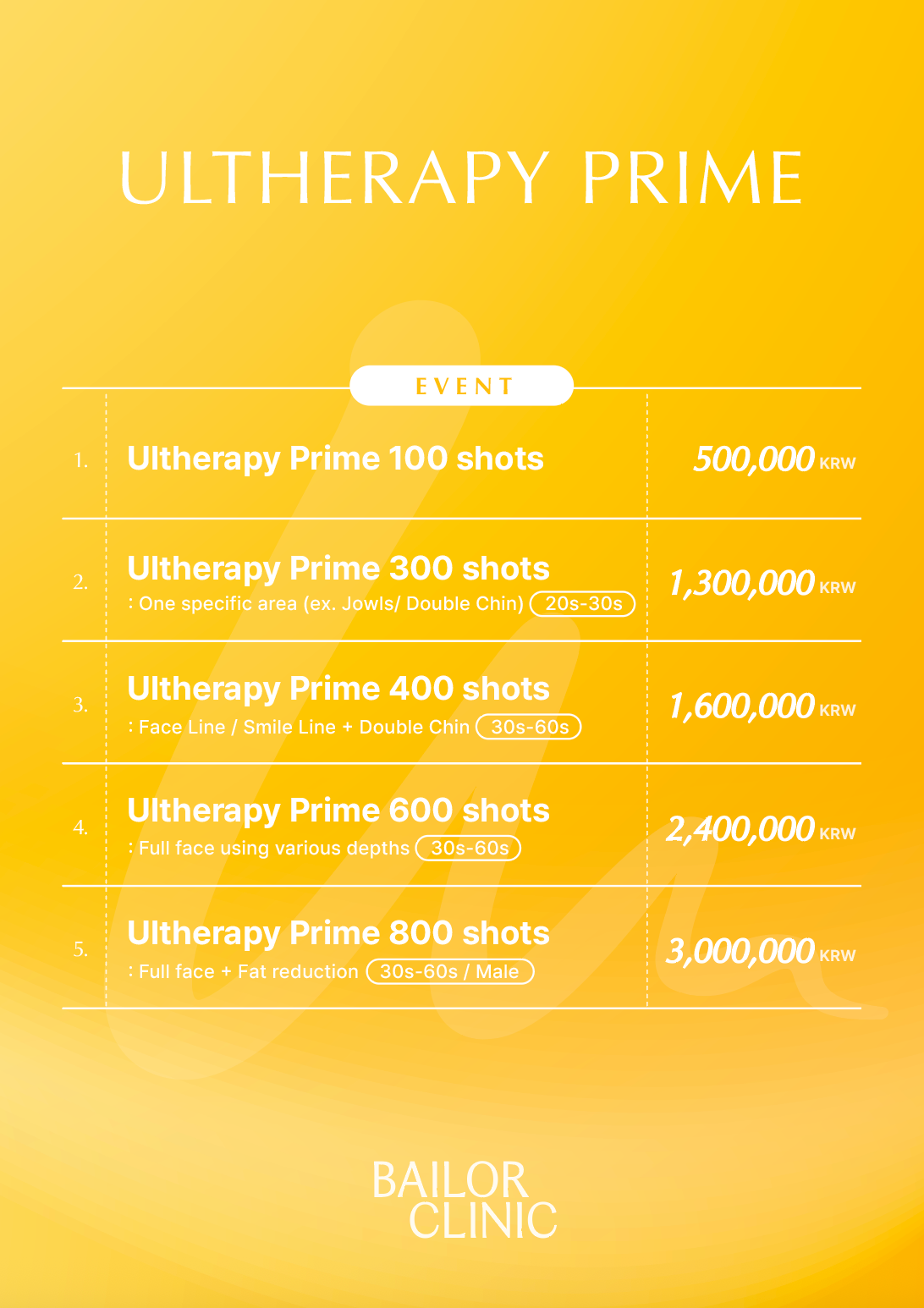
Some injectables show results quickly (IV drips, PDRN glow), while others work over weeks as collagen forms or fat cells are cleared. If you are in Seoul briefly, ask about combining an injectable with a device such as Ultherapy on the same day.
Downtime, side effects and who should avoid injectables
Each injectable has its own risk profile, which the doctor will explain. In general:
- Common: redness, swelling, tenderness and small bruises at injection points; fat-dissolving injections can cause marked swelling and firmness for up to 3 weeks.
- Less common: palpable lumps after collagen stimulators, temporary asymmetry or chewing fatigue after masseter Botox, or vein irritation after IV drips.
- Rare: infection, allergic reaction, nodules, nerve irritation, or vascular complications with volume products.
Tell the doctor if you
- are pregnant, breastfeeding or planning pregnancy;
- take blood thinners, aspirin or supplements such as fish oil or vitamin E;
- have allergies (including fish, relevant to PDRN), autoimmune disease, kidney or liver problems, or keloid tendency.

Dr. Jimin Kang, Medical Director
Every injectable plan at Bailor starts with a face-to-face skin assessment by a doctor — not a sales counsellor. Dr. Kang's approach is "tailored, not templated": she chooses the product, dose and depth for your skin, and treats you herself or works alongside the other doctors on our in-house medical team.
Injectable FAQ
What is the difference between injectables and fillers?
Fillers are one type of injectable that adds volume directly. Injectables also include Botox, collagen stimulators, fat-dissolving solutions, PDRN and IV drips, which work in different ways.
How much do injectables cost at Bailor?
Prices start from ₩40,000 for masseter Botox (Korean toxin, 50U) and ₩50,000 for a glutathione IV, VAT excluded. See the full price list.
Which injectable is right for a slimmer face?
It depends on the cause: muscle (masseter Botox), fat (fat-dissolving injections) or loose skin (lifting devices). A doctor examination is needed to tell them apart.
Is there downtime after injectables?
Most have little downtime, apart from small bruises. Fat-dissolving injections are the exception, with swelling that can last up to 3 weeks.
Can I combine injectables with lasers?
Often yes. Lasers and devices are usually done first on the same day, followed by injectables. The doctor will plan the order.
Who performs injectables at Bailor?
Injectables are planned by a doctor after a face-to-face assessment, and IV drips are only started after the doctor has screened you.