

Why the consultation is done by a doctor
In many busy clinics, the first conversation happens with a counsellor whose role is to explain packages. At Bailor Clinic, a doctor examines you before any plan is made. Our Medical Director, Dr. Jimin Kang, built the clinic on that principle: the name Bailor means Beauty + Tailor, and tailoring starts with a medical assessment.
This matters for practical reasons:
- Safety — a doctor checks medications, allergies, pregnancy, past treatments and skin conditions that change what is safe.
- Realistic expectations — some concerns respond well to one session; others need a course or a different approach entirely.
- Less, not more — the aim is the smallest plan that achieves your goal, which often saves money.
You are welcome to come with no idea which treatment you want. You are also welcome to say no to anything suggested, or to take the plan away and decide later.
For international patients, the consultation also covers the practical side: how many days of redness or swelling to expect, whether a treatment fits before a flight, and which parts of a plan could wait for a future trip.
What the doctor looks at during your consultation
A consultation is a structured conversation plus a hands-on look at your skin in good light. The doctor typically covers:
| Area | What is assessed | Why it matters |
|---|---|---|
| Skin quality | Hydration, pores, texture, oiliness, sensitivity | Guides choices like skin boosters or facials |
| Tone | Pigment type, redness, visible vessels | Different lasers suit melasma, freckles or redness |
| Laxity | Jawline, cheeks, neck, skin thickness | Helps choose between lifting devices |
| Volume | Temples, under-eyes, cheeks, folds | Determines if filler or a stimulator is appropriate |
| Muscle activity | Frown lines, forehead, masseter | Defines Botox areas and dose |
| Health history | Medications, allergies, pregnancy, past procedures | Rules treatments in or out |
What you leave with
- A short list of recommended treatments, with the reasoning.
- Expected downtime and when results should appear.
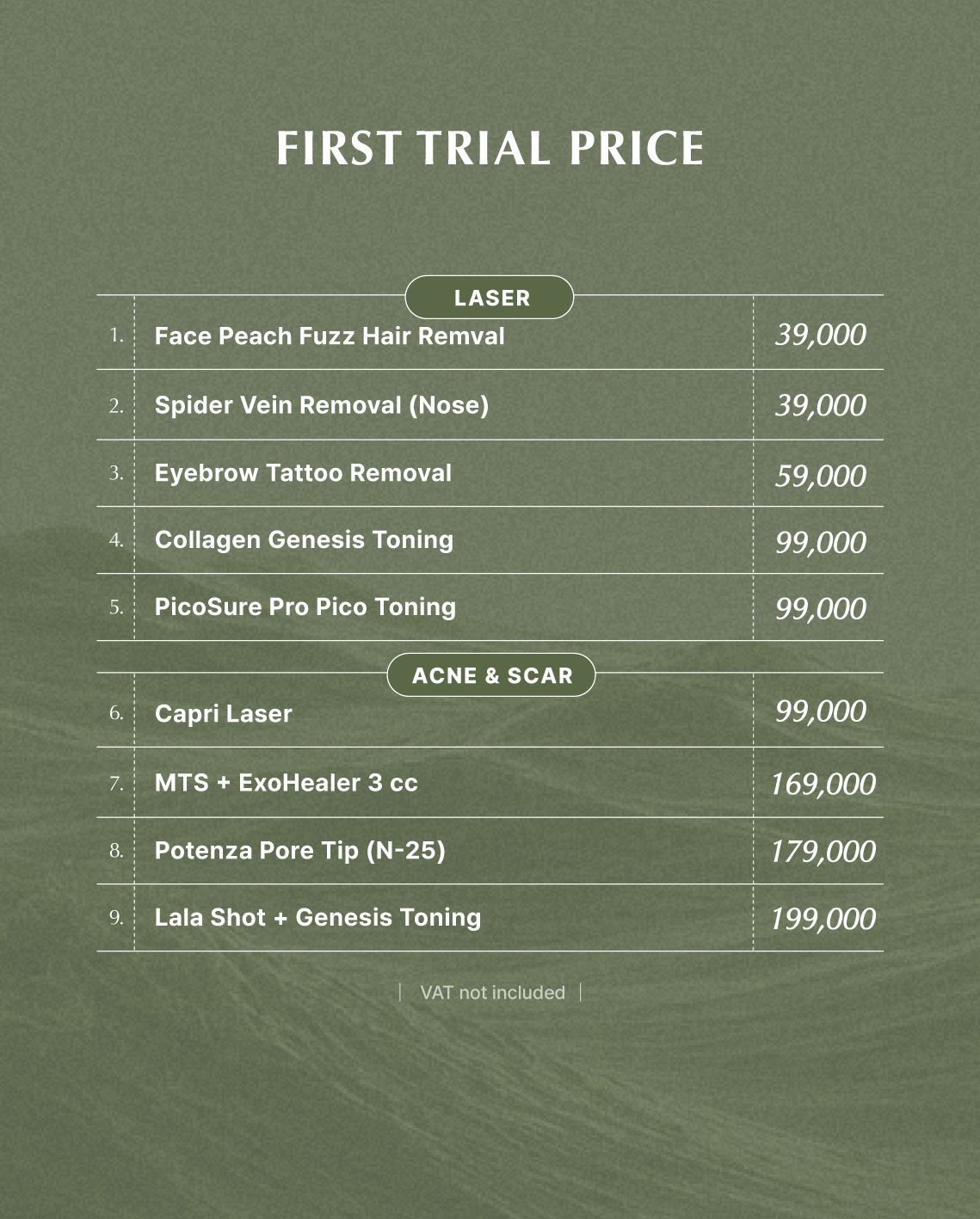
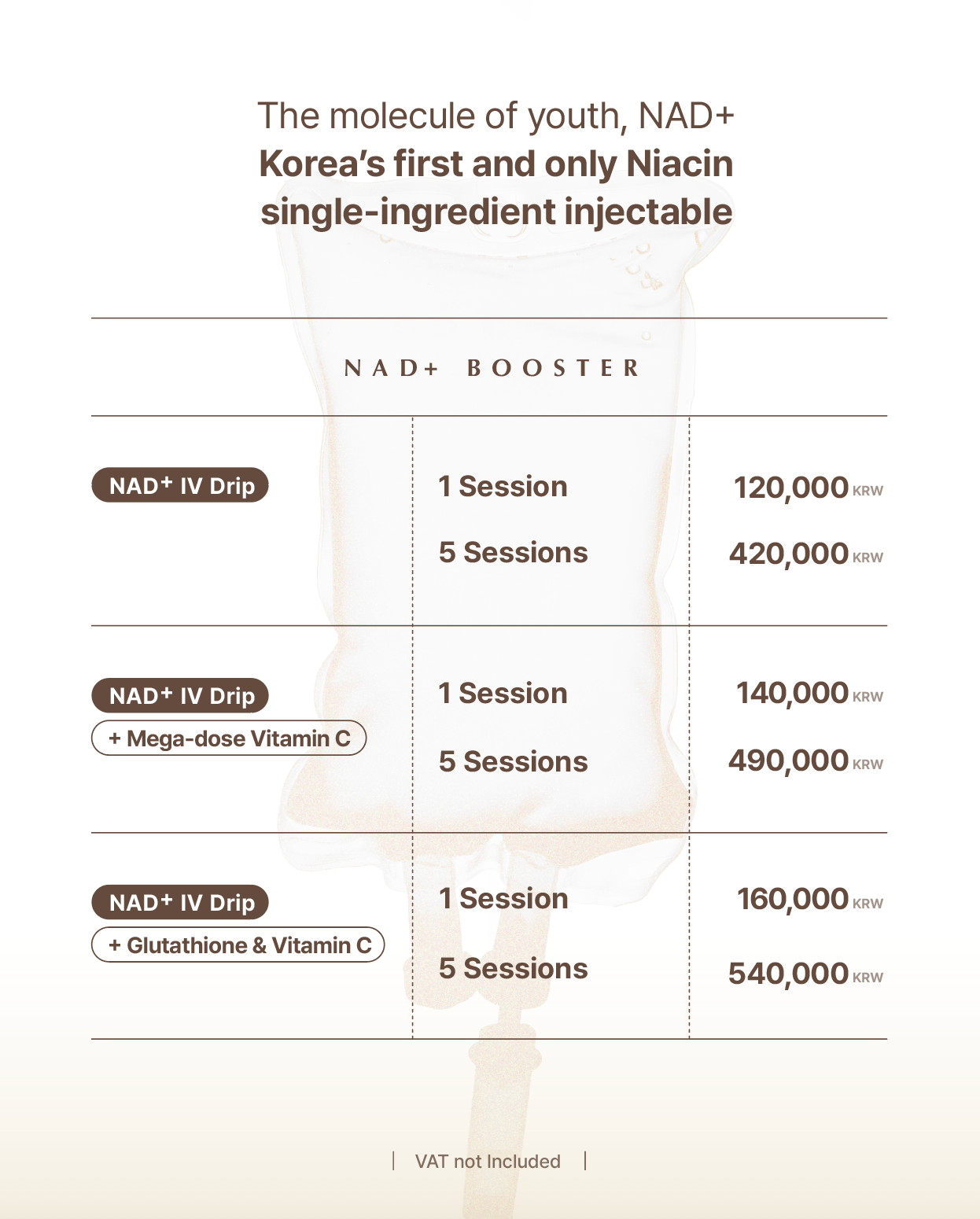
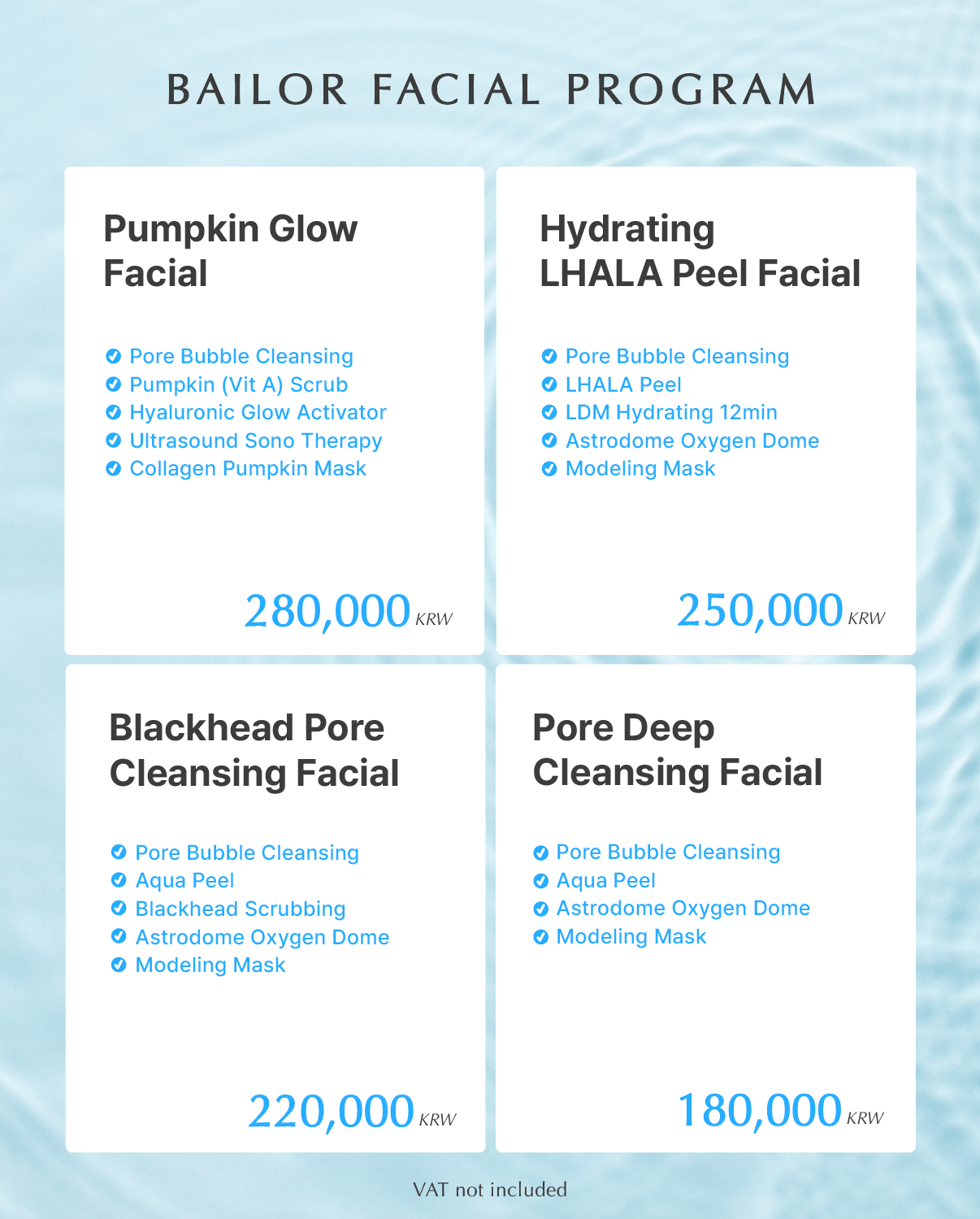
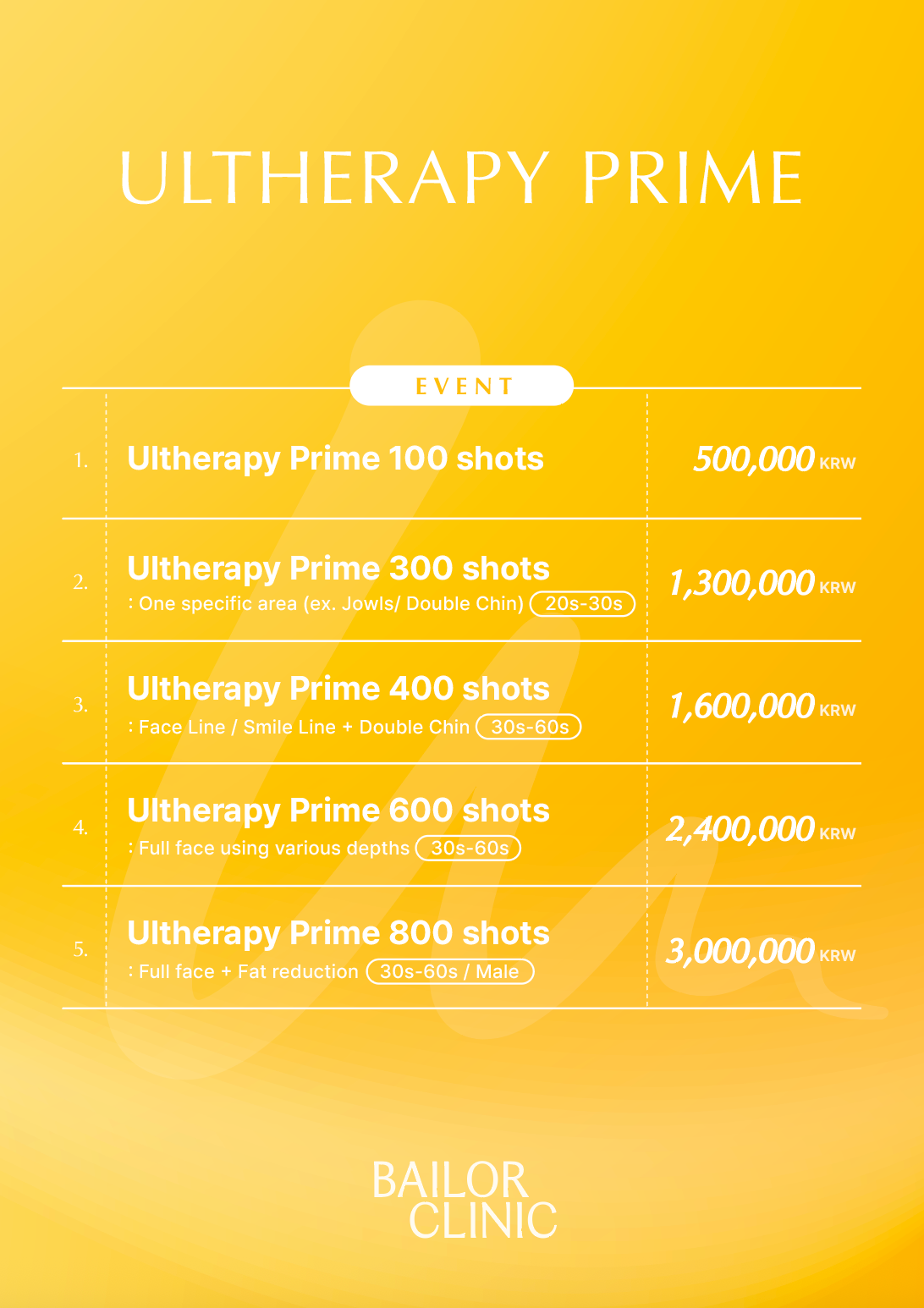
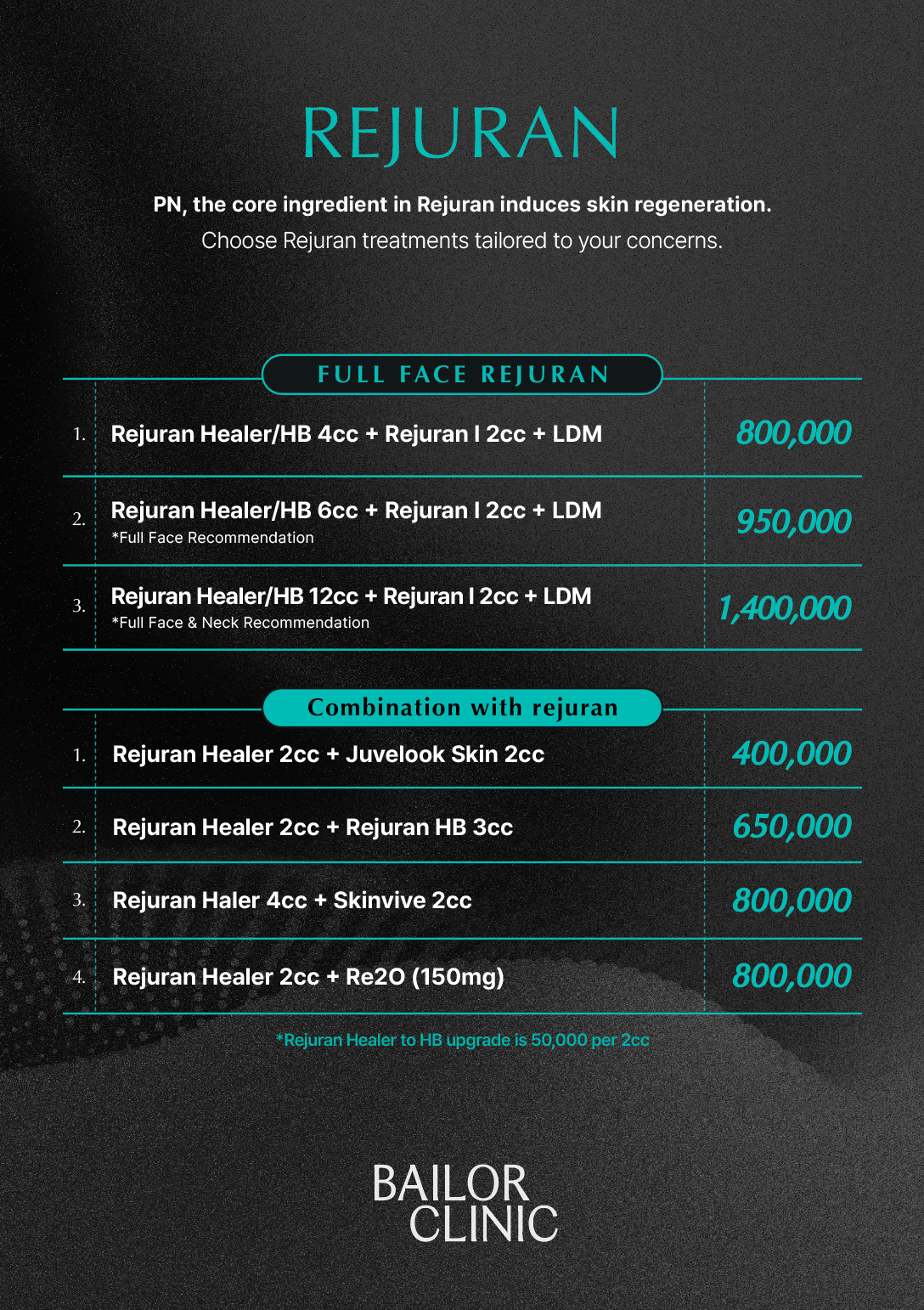
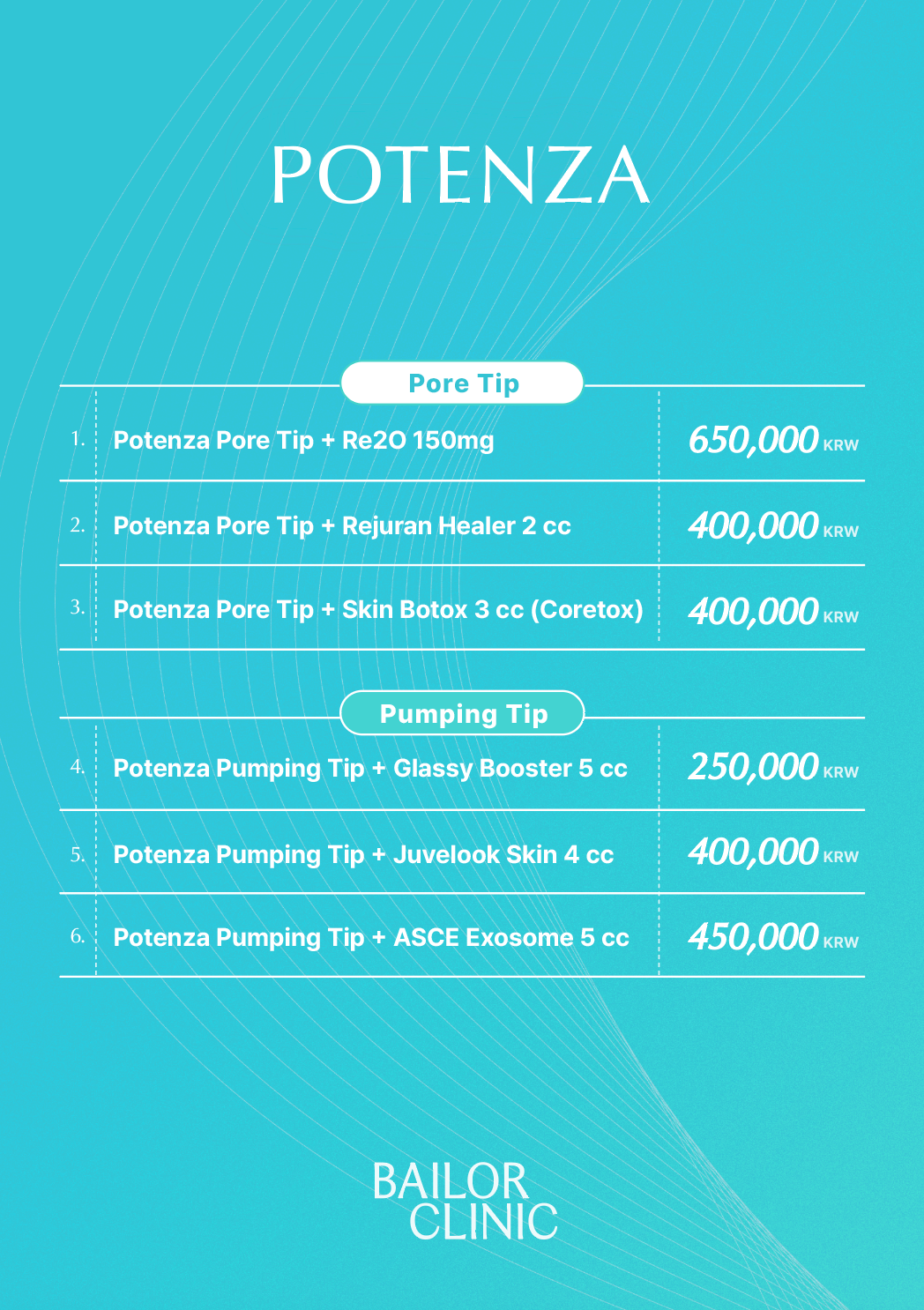
- An itemised price in KRW with VAT shown separately — the same figures as our published price list.
If you prefer an in-depth look at skin concerns with imaging, ask about skin analysis.
What a well-planned course can achieve
A consultation does not change your skin on its own — but choosing the right treatment does. Patients who follow a doctor-planned course often see more consistent results than those who try treatments one by one. For a sense of typical timelines, see our pages on rejuvenated skin and individual treatments.
How the consultation works, step by step
- Before you arrive Send goals, travel dates and a few natural-light photos on WhatsApp; we suggest a time.
- Health check At reception you complete a short form on medications, allergies and past treatments.
- Doctor exam The doctor examines your skin, listens to your priorities and explains options and limits.
- Your decision You receive the plan and price; treat the same day, book later, or simply think it over.
Please be open about any previous filler, threads or lasers, even years ago — it helps the doctor plan safely. If you are visiting Seoul for only a few days, mention your flight date; the doctor may suggest lower-downtime choices such as Botox or toning first, and leave stronger treatments for a later visit.
Safety questions the doctor will ask — and why
The consultation is also where risks are discussed honestly. Depending on what is recommended, the doctor will explain:
- Common effects: redness, swelling, small bumps, tenderness or pinpoint bruising for a few hours to a few days.
- Less common effects: larger bruises, temporary asymmetry after Botox, acne flares, or temporary darkening after laser in sun-exposed or darker skin.
- Rare complications: infection, allergic reaction, burns, or vascular events after filler — and what to do if they happen.
Things you should always mention
- Pregnancy, breastfeeding or plans to conceive.
- Blood thinners, aspirin, isotretinoin, steroids or herbal supplements.
- Allergies — to medicines, lidocaine, eggs, or fish (relevant to PDRN products).
- Cold sores, keloid scars, autoimmune conditions, pacemakers or metal implants.
Sometimes the honest recommendation is to wait, to see your own doctor first, or to do nothing at all. We would rather say so.

Dr. Jimin Kang, Medical Director
Every consultation plan at Bailor starts with a face-to-face skin assessment by a doctor — not a sales counsellor. Dr. Kang's approach is "tailored, not templated": she chooses the product, dose and depth for your skin, and treats you herself or works alongside the other doctors on our in-house medical team.
Consultation FAQ
Do I need a consultation before treatment?
Yes. Every treatment at Bailor starts with a doctor assessment, even for repeat or simple treatments, so the doctor can check suitability on the day.
Is the consultation in English?
Yes. Consultations are available in English, and you can message the team on WhatsApp at +82 10-3054-1757 before and after your visit.
Can I get treated right after the consultation?
Often, yes, if the treatment is suitable and the schedule allows. Some plans are better split across visits for safety or downtime reasons.
Can I send photos for advice before I travel?
Yes. Photos help us suggest likely options and a rough budget, but the final plan is always confirmed by a doctor in person.
Will I be pressured to buy a package?
No. You receive a tailored plan with itemised prices from the published list, and you are free to decide later or choose only part of it.
What should I bring to the consultation?
A list of medications and supplements, any allergies, and details (product names, dates) of previous fillers, threads or lasers. Recent photos in natural light can also help the doctor understand your goals.