
What are sun spots, and why do they appear?
When skin is exposed to ultraviolet light, pigment cells produce extra melanin as a shield. Over time some of that pigment stays behind in small clusters, and those clusters are what we call sun spots. They usually show up where the sun hits most: the upper cheeks, nose, temples, forehead, the V of the chest and the backs of the hands.
Sun spots overlap with, but are not quite the same as, age spots. We tend to see three patterns:
- Freckles (ephelides) — small, light-brown dots that darken in summer and fade in winter, often from a young age
- Sun spots (solar lentigines) — slightly larger, sharper-edged spots that stay the same colour all year
- Diffuse sun damage — a blotchy, uneven brown cast across the cheeks that makes skin look dull rather than spotted
Before any laser, the doctor also checks for melasma, which is hormonal and can darken with strong laser energy, and for any raised or changing mark that should be examined rather than lasered.
Which laser treats sun spots best?
The right choice depends on how many spots you have, how deep the pigment sits and your skin tone. Many plans combine a targeted pass for a few distinct spots with gentle toning for the overall tone.
| Option | How it helps | Typical plan | From |
|---|---|---|---|
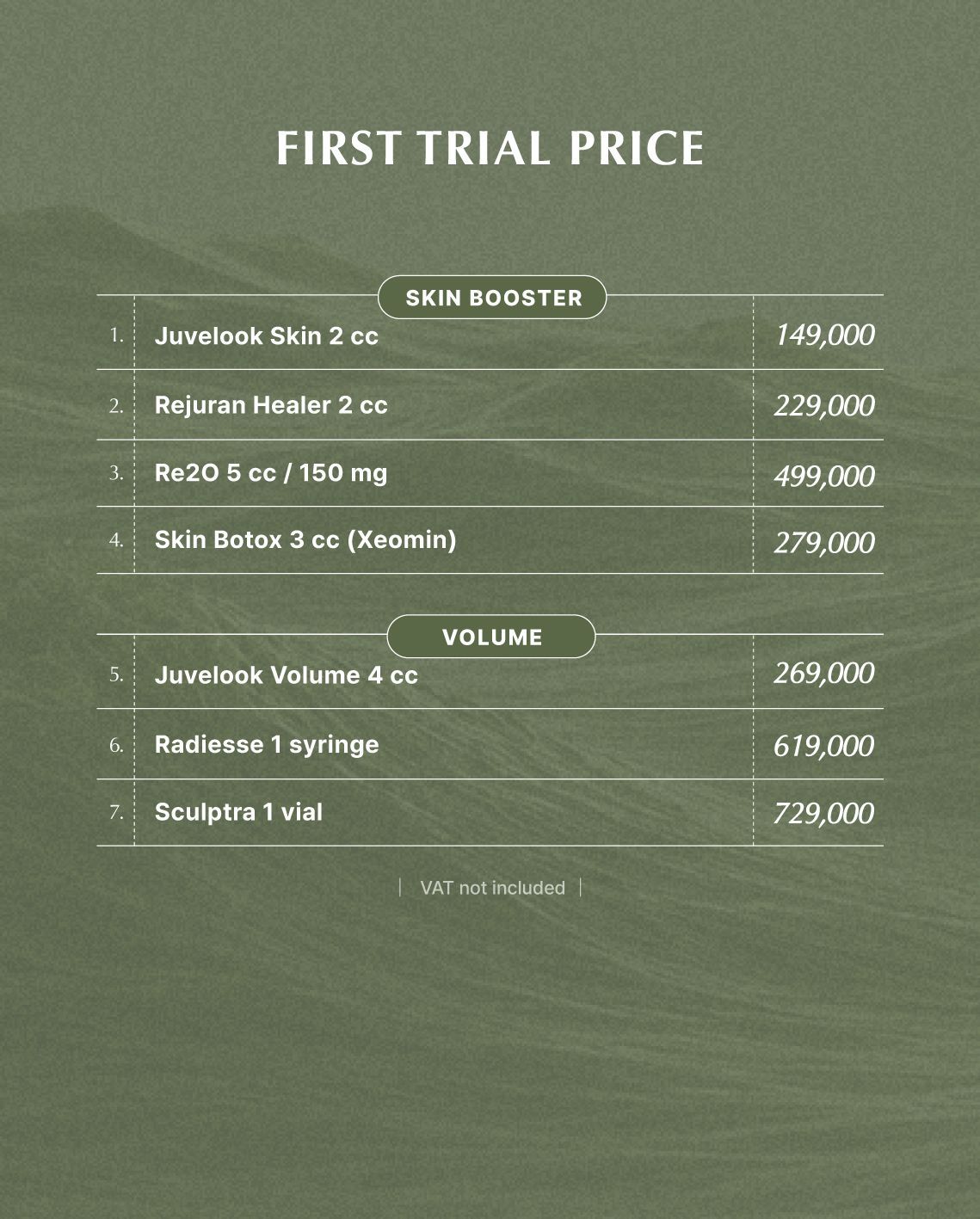
| Zoom Pass toning | Full-face toning for light, scattered sun pigment | Course, 1–2 weeks apart | ₩120,000 |
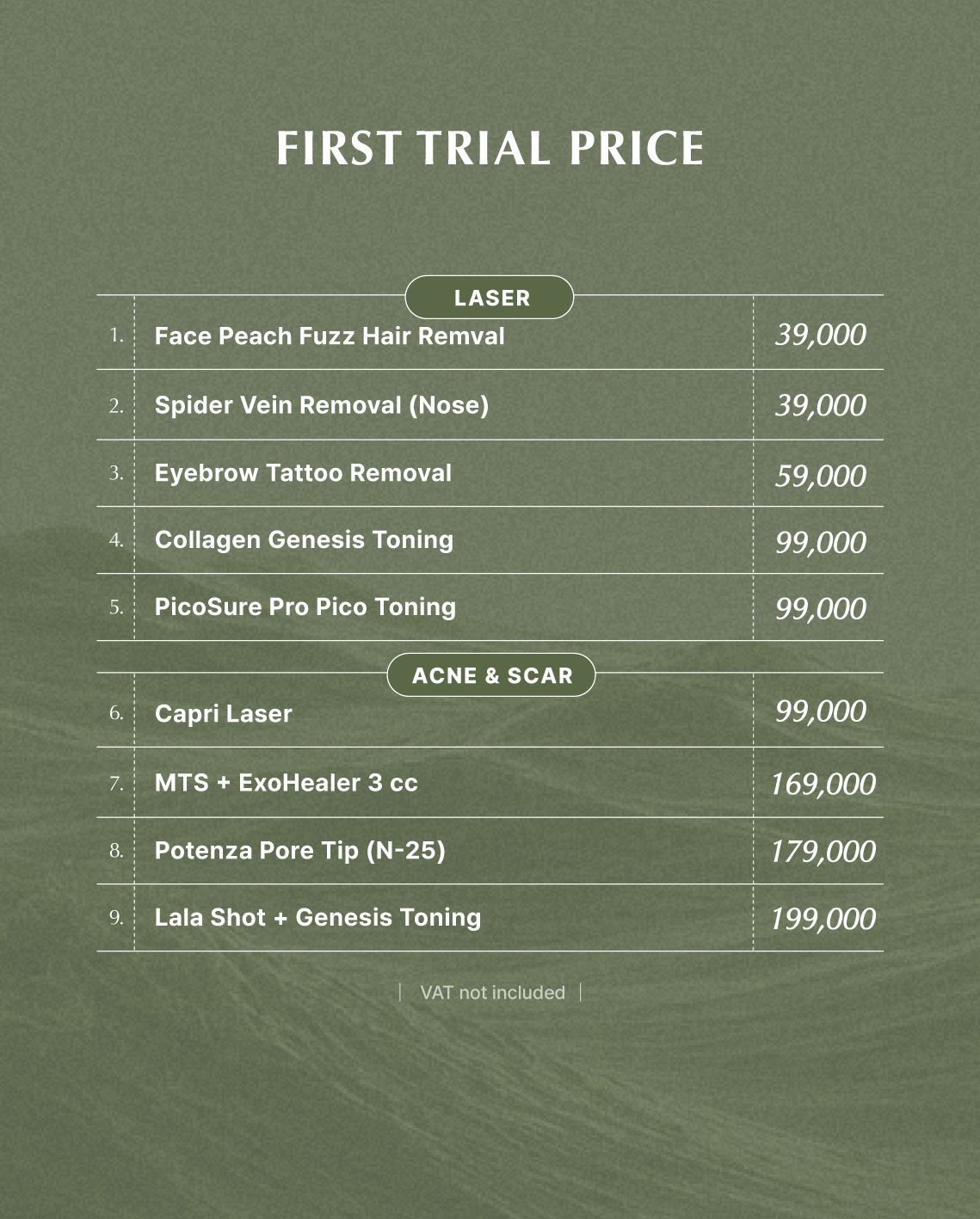
| Pico Toning | Picosecond pulses break pigment into very fine particles with less heat | 5–10 sessions | ₩150,000 |
| Genesis Toning | Gentle warming for tone, with redness also in mind | Course, combined with pigment laser | ₩150,000 |
| Pico Fractional | Adds fine fractional pulses for texture alongside pigment | Doctor's plan | ₩200,000 |
| PicoSure Pro toning course | Structured pico programme for widespread sun spots | 5 sessions | ₩600,000 |
| PicoSure Pro All-in-One | Pigment, tone and texture modes in one course | 5 sessions | ₩950,000 |
Prices in KRW, 10% VAT not included, updated September 2026. Spot-by-spot targeting is quoted after the doctor examines your skin. Full list on our laser toning price page.
What changes after sun spot laser
Clear-cut sun spots usually lift off with their crusts and look noticeably lighter within 2–4 weeks. Freckles and diffuse sun damage fade step by step across a toning course. New spots can still form with UV exposure, so daily sunscreen matters; some patients add an after-sun facial or occasional maintenance toning to keep tone even.
How a sun spot visit works
- Pigment reading The doctor looks at each mark under good light and magnification, and may suggest a skin analysis to see pigment below the surface.
- Laser choice Wavelength, energy and spot size are set for your skin tone and the depth of the pigment.
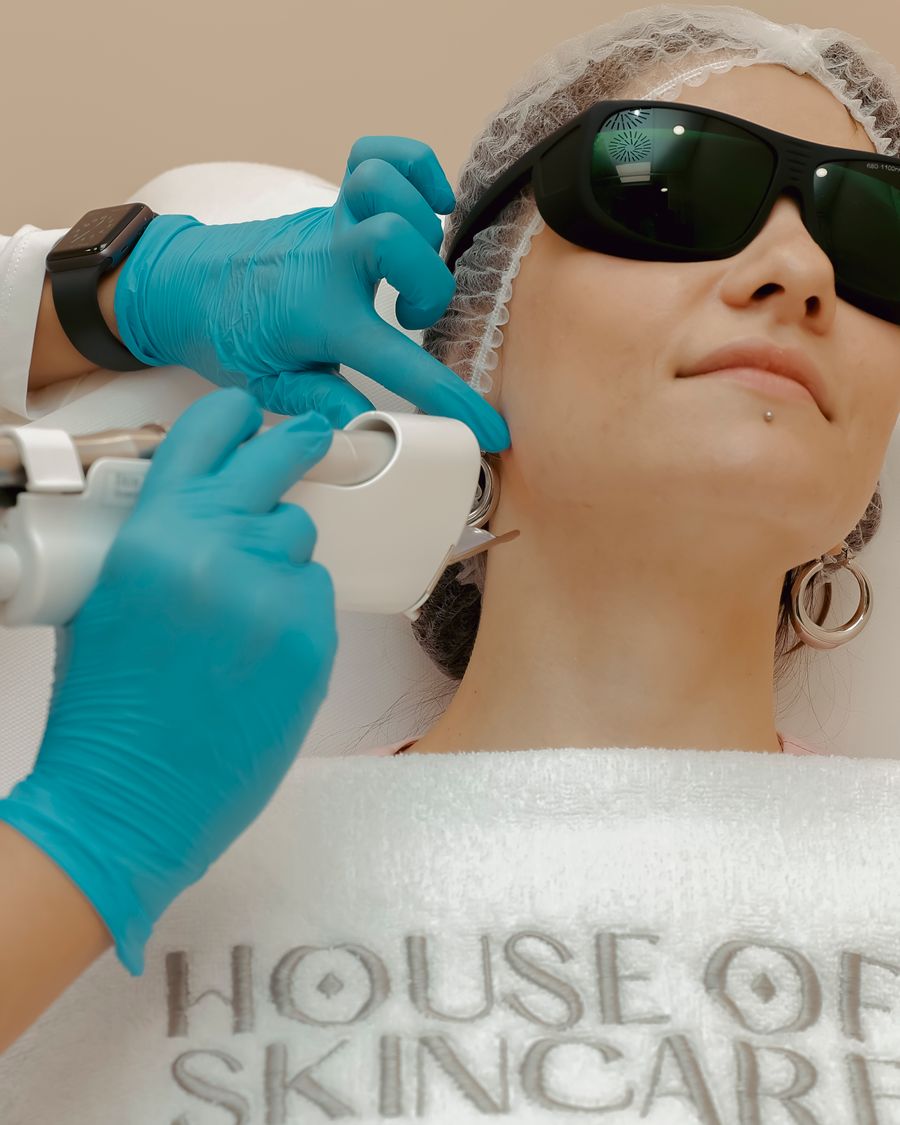
- Treatment 10–20 minutes. Most people feel quick snaps like a rubber band; numbing cream is used if many spots are treated.
- Cool & protect Cooling, a calming cream and sunscreen before you leave, plus written aftercare in English.
If you are travelling, plan targeted spot treatment early in your trip: the small crusts usually shed within a week, and you will want to keep the area out of strong sun while they do. Toning sessions have very little visible downtime and fit easily around sightseeing.
Downtime, side effects and who should wait
Pigment lasers are well established, but results and risks depend on correct diagnosis and settings.
- Common: redness and warmth for a few hours; targeted spots turning darker before shedding as fine crusts in 5–10 days; mild puffiness.
- Less common: temporary darkening (post-inflammatory hyperpigmentation), more likely in deeper skin tones or with sun exposure during healing; a spot that needs a second pass.
- Rare: lighter patches (hypopigmentation), blistering, scarring or infection.
Tell the doctor first if you
- Are pregnant or breastfeeding, or have a recent tan or sunburn
- Take isotretinoin, photosensitising medicines or blood thinners
- Have a history of cold sores, keloid scars or melasma
- Notice a spot that is growing, bleeding, itchy or has an irregular border — this needs examination, not laser
Afterwards, use SPF 50 every day, reapply outdoors, and avoid saunas, scrubs and exfoliating acids for about a week.

Dr. Jimin Kang, Medical Director
Every sun spot plan at Bailor starts with a face-to-face skin assessment by a doctor — not a sales counsellor. Dr. Kang's approach is "tailored, not templated": she chooses the product, dose and depth for your skin, and treats you herself or works alongside the other doctors on our in-house medical team.
Sun spot FAQ
How much does sun spot treatment cost in Gangnam?
At Bailor Clinic in Sinsa, laser toning for sun pigment starts from ₩120,000 per session (Zoom Pass), Pico Toning from ₩150,000, and a 5-session PicoSure Pro All-in-One course is ₩950,000, VAT excluded. Targeted spot pricing is confirmed after the doctor sees your skin. See the laser toning price list.
Are sun spots and freckles treated the same way?
Similar lasers work for both, but freckles are more likely to return each summer, while sun spots tend to stay away longer once cleared if you protect your skin. The doctor will tell you what to expect for your specific marks.
How many sessions will I need?
A few distinct sun spots often need 1–2 targeted sessions. Widespread freckling or a blotchy sun-damaged tone is usually treated with 5–10 toning sessions 1–2 weeks apart.
Can I go in the sun after treatment?
Try to avoid strong direct sun while spots are crusting, wear SPF 50 and a hat, and reapply sunscreen during the day. UV exposure during healing is the main cause of rebound darkening.
Is it safe for darker skin tones?
Yes, with appropriate settings. Pico and low-energy toning are often preferred for deeper skin tones because they use less heat. The doctor may suggest a gentler start and more sessions.
Is the consultation in English?
Yes. You can send clear, daylight photos of your spots on WhatsApp at +82 10-3054-1757 before your visit for a first impression from our team.