
What is laser resurfacing?
Resurfacing means renewing the outer layers of the skin so it heals back smoother. Older resurfacing lasers treated the whole surface at once and needed weeks of recovery. Modern fractional lasers treat only a fraction of the skin in a fine grid of microscopic columns. The untreated skin between them speeds healing, so downtime is usually measured in days rather than weeks.
Inside each column, the skin responds as it would to a tiny wound: old, damaged cells are replaced and new collagen is laid down over the following weeks. Repeating this over a course of sessions is what gradually softens scars and refines texture. Fraxel is one well-known example of a fractional laser.
People usually ask about resurfacing for:
- Rolling or boxcar acne scars and uneven, bumpy texture
- Enlarged-looking pores on the cheeks and nose
- Fine lines and crepey skin, especially around the eyes
- Dull, sun-damaged skin with uneven tone
Resurfacing options at Bailor
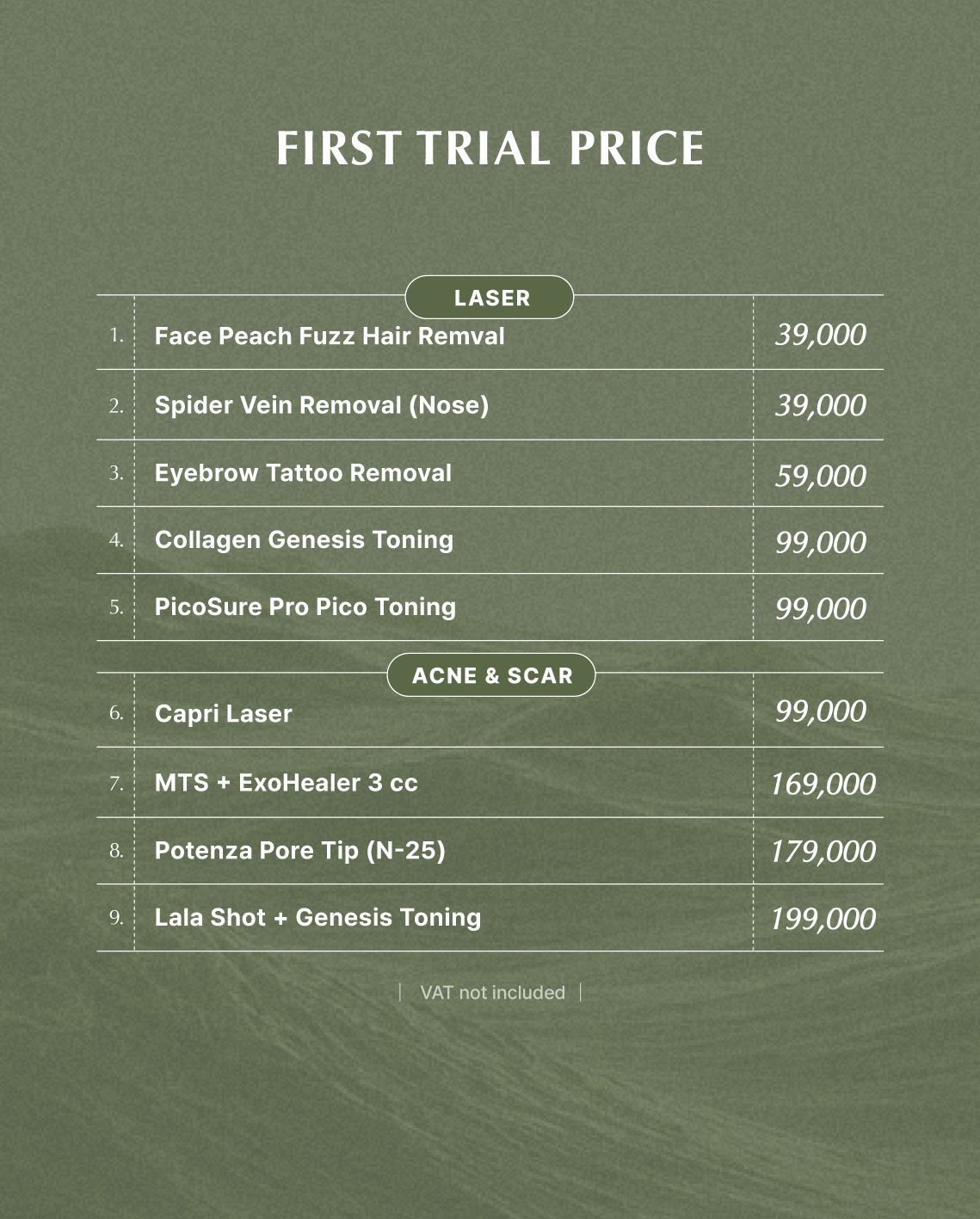
Resurfacing is rarely a one-device decision. Depending on whether your main problem is scarring, pores or general texture, the doctor may use a fractional laser alone or combine it with other treatments. These are related items from our current price list:
| Treatment | What it does | Price |
|---|---|---|
| AVVIO Fractional + Cryo Calming | Fractional treatment with cooling care | ₩150,000 |
| Pico Fractional | Picosecond fractional for texture and tone | ₩200,000 |
| Acne Scar Filler BASIC | AVVIO + Juvelook 3cc subcision | ₩400,000 |
| Acne Scar Filler STANDARD | BASIC + Potenza N-25 | ₩500,000 |
| Acne Scar Filler PREMIUM | AVVIO + Potenza + Re2O 50mg | ₩700,000 |
Prices in KRW, 10% VAT not included, updated September 2026. Your exact resurfacing plan and price are confirmed after consultation. See the acne scar treatment price page.
Laser or microneedling?
Fractional lasers work from the surface down and are good for texture and shallow scarring. RF microneedling delivers heat deeper through fine needles and is often chosen for pores and darker skin types, where surface heat carries more pigment risk. Deep, tethered scars may also need subcision or a scar filler to release and lift them.
What changes in your skin
Change is gradual. Skin often looks fresher once flaking finishes, but scar softening comes from collagen remodelling that continues for 1–3 months after each session. Scars usually improve rather than disappear, and many patients combine resurfacing with other acne scar treatments for deeper scars.
How a resurfacing visit works
- Doctor consultation We map scar types, pores and skin tone, then choose a laser, depth and plan.
- Numbing Numbing cream for 30–60 minutes; eye protection during treatment.
- Fractional laser Usually 20–40 minutes, with passes adjusted area by area.
- Cooling & recovery Cooling or calming care, plus a recovery cream and SPF before you leave.
Planning a trip to Seoul? Leave at least 3–5 days between resurfacing and any important event or long-haul flight, and avoid beach holidays right afterwards. If your stay is short, the doctor may suggest one session here and a lighter plan to continue at home.
Downtime, side effects and aftercare
Fractional resurfacing heals faster than older full-surface lasers, but it is still a controlled injury to the skin. What to expect:
- Common: redness, warmth and swelling for 1–3 days; a sandpaper feel, tiny dark dots and flaking for up to about a week.
- Less common: breakouts or milia while the skin heals, longer redness in sensitive skin, and temporary darkening (post-inflammatory hyperpigmentation), particularly in darker or tanned skin.
- Rare: infection, cold sore flare-ups, blistering, scarring or lasting lighter patches.
Tell the doctor first if you
- Are pregnant or breastfeeding
- Took isotretinoin recently, or use retinoids, blood thinners or photosensitising medication
- Have a history of cold sores, keloids or melasma
- Have a recent tan, active acne flare or skin infection
Aftercare
Use a gentle cleanser and a plain moisturiser, skip exfoliants and retinoids for about a week, avoid saunas and swimming for a few days, and wear SPF every day. Do not pick flaking skin. If anything looks unusual, send a photo on WhatsApp and a doctor will review it.

Dr. Jimin Kang, Medical Director
Every laser resurfacing plan at Bailor starts with a face-to-face skin assessment by a doctor — not a sales counsellor. Dr. Kang's approach is "tailored, not templated": she chooses the product, dose and depth for your skin, and treats you herself or works alongside the other doctors on our in-house medical team.
Laser resurfacing FAQ
How much does laser resurfacing cost in Gangnam?
At Bailor Clinic in Sinsa, the resurfacing price is confirmed after consultation. For reference, AVVIO Fractional + Cryo Calming is ₩150,000 and Pico Fractional ₩200,000, VAT excluded. See the acne scar treatment prices.
How many resurfacing sessions will I need?
Most people need 3–5 sessions about 4 weeks apart for texture and scars. Deeper scars can need more, often combined with microneedling or subcision.
How much downtime should I expect?
Typically 1–3 days of redness and swelling, then mild roughness or flaking for up to a week. Most people return to work within a few days, with makeup once the skin has settled.
Is laser resurfacing safe for darker skin?
It can be, with conservative settings and careful aftercare, but darker skin has a higher risk of temporary pigmentation. The doctor may suggest RF microneedling instead or as well.
Does laser resurfacing hurt?
With numbing cream most people feel heat and prickling. The skin may feel like a sunburn for a few hours afterwards.
Will resurfacing remove my acne scars completely?
Scars usually soften and become less noticeable, but complete removal is unlikely. The doctor will tell you what improvement is realistic for your scar type.