

What causes uneven skin texture?
Texture is how the skin surface feels and how it catches light from the side. Even when colour is perfect, an uneven surface casts tiny shadows that make makeup sit badly. The common causes are quite different from one another:
- Rough, thickened surface — slow cell turnover leaves a dry, sandpaper-like feel, often on the cheeks and forehead
- Shallow acne marks — rolling or boxcar dents left after breakouts; deeper ones are covered on our acne scar treatment page
- Stretched pores — openings that elongate as collagen weakens, giving an orange-peel look
- Small bumps — closed comedones or milia that need clearing rather than resurfacing
Because each cause sits at a different depth, a single treatment rarely fixes everything. The doctor identifies which layers are involved first, so you do not pay for a deeper treatment than you need.

How we even out skin texture at Bailor
We think about texture treatments in layers, from gentle surface work to deeper collagen remodelling:
| Treatment | Depth | Best for | From |
|---|---|---|---|
| Zoom Pass | Surface | Light roughness, overall refresh | ₩120,000 |
| AVVIO Fractional + Cryo Calming | Surface to upper dermis | Rough surface, shallow marks | ₩150,000 |
| Pico Fractional | Upper dermis | Fine texture, small dents, dull surface | ₩200,000 |
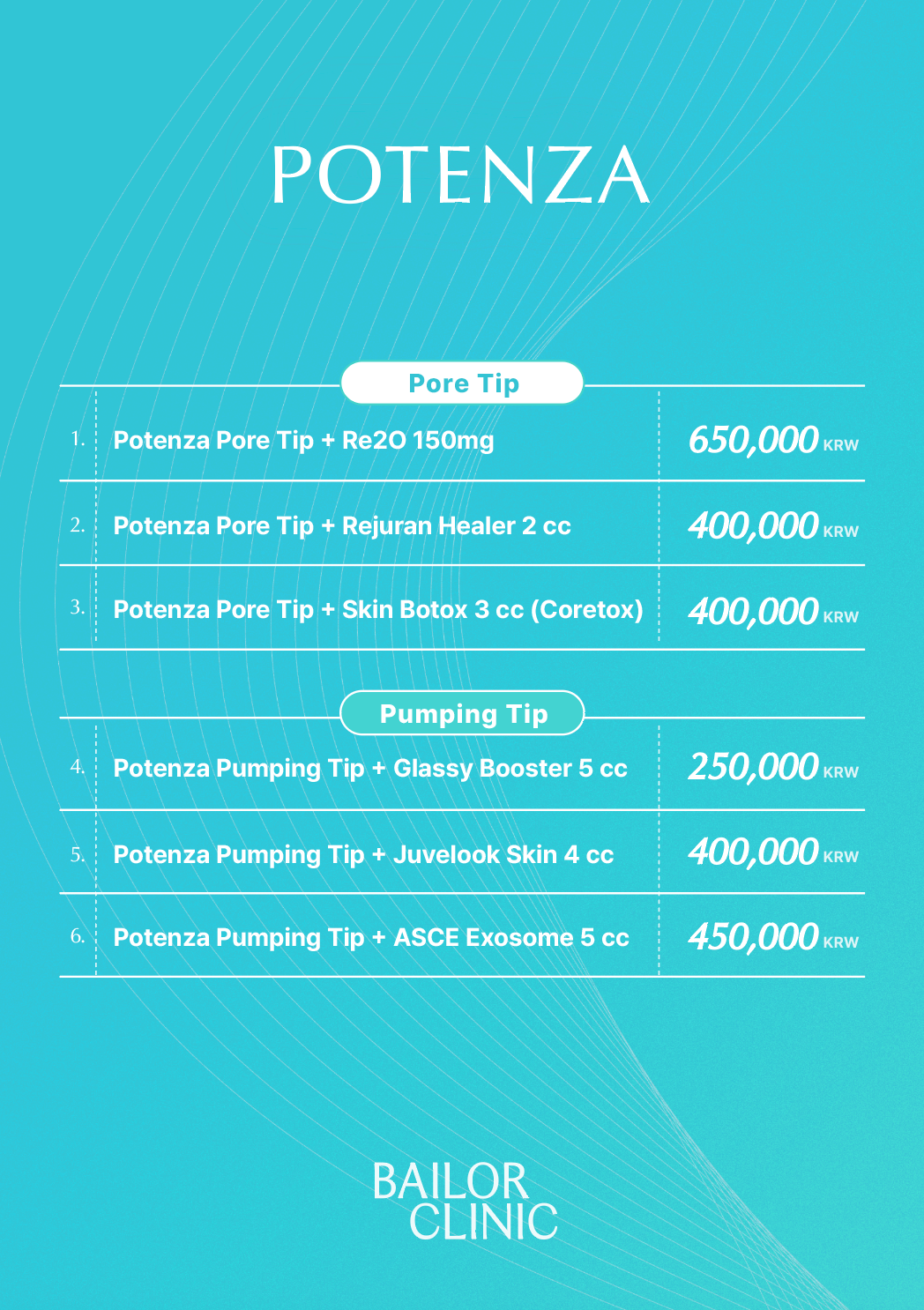
| Potenza N-25 | Mid dermis (RF) | Orange-peel texture, stretched pores | ₩200,000 |
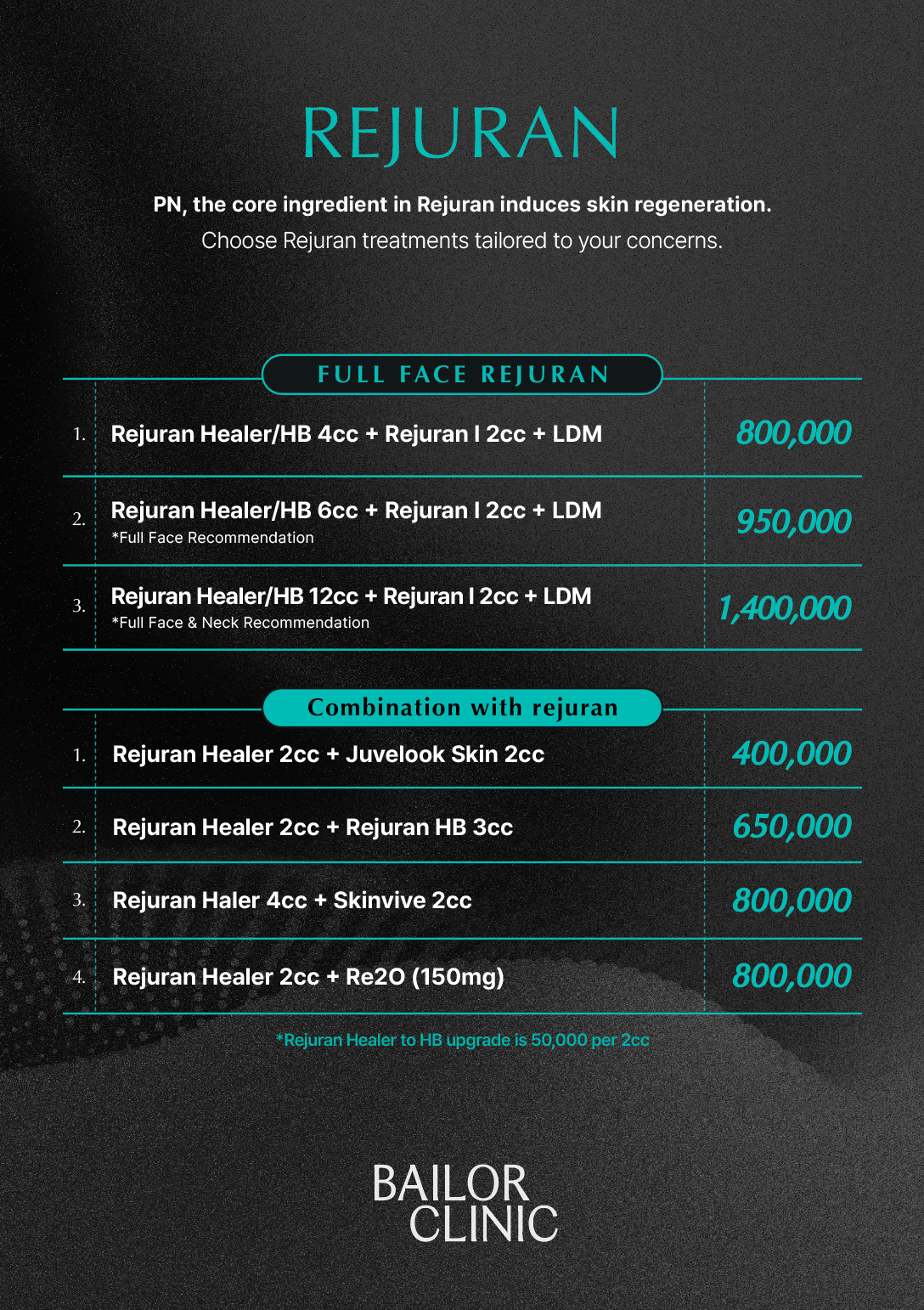
| Juvelook Skin 2cc | Dermis (collagen booster) | Gradual smoothing, thin skin | ₩250,000 |
| Potenza Pumping Tip + Juvelook Skin 4cc | RF + booster in one visit | Texture with mild scarring | ₩400,000 |
| Potenza PREMIUM, 4 sessions | Full course | Long-term texture plan | ₩1,850,000 |
Prices in KRW, 10% VAT not included, updated September 2026. See Potenza prices and fractional and scar prices.
If you would rather avoid downtime, a lighter route is a series of Genesis toning sessions with a hydrating booster. Progress is slower, but you can go straight back to work.
What changes in your skin texture
Surface roughness often improves within 1–2 weeks once flaking ends. Collagen changes from Potenza and Juvelook continue for 1–3 months after each session, which is why the clearest result is usually seen a few weeks after the final treatment. Texture can return slowly with age and sun, so most people top up once or twice a year.
How a texture treatment visit works
- Side-light assessment The doctor examines your skin under angled light to see dents, roughness and pores, then sets the depth.
- Numbing Numbing cream for about 30–40 minutes before fractional laser or RF microneedling.
- Resurfacing Laser or microneedle passes over the face in roughly 15–30 minutes; boosters may be pushed in through the channels.
- Cooling & protection Cryo or cooling mask to calm heat, then barrier cream and sunscreen.
Fractional and RF treatments leave the face pink and slightly rough for a few days, so we usually schedule them at the start of a Seoul trip, not the day before an event or a long flight with sightseeing photos.
Downtime, side effects and aftercare
Resurfacing works by controlled injury, so side effects are more noticeable than with boosters alone.
- Common: redness, warmth and swelling for 1–3 days; a dry, sandpaper texture and fine flaking for up to a week; small grid marks after microneedling.
- Less common: pinpoint scabs, a short acne flare, or temporary darkening in people prone to pigmentation.
- Rare: infection, cold sore reactivation, prolonged post-inflammatory hyperpigmentation or scarring.
Tell the doctor first if you
- Are pregnant or breastfeeding
- Take or recently took isotretinoin, or use strong retinoids
- Have a pacemaker or metal implants in the face (relevant for RF)
- Get cold sores, keloids, or pigment easily after injury
For 3–5 days, use a gentle cleanser, a rich barrier cream and SPF 50; avoid saunas, swimming pools, exfoliants and picking at flakes. Send us a photo on WhatsApp if redness worsens instead of fading.
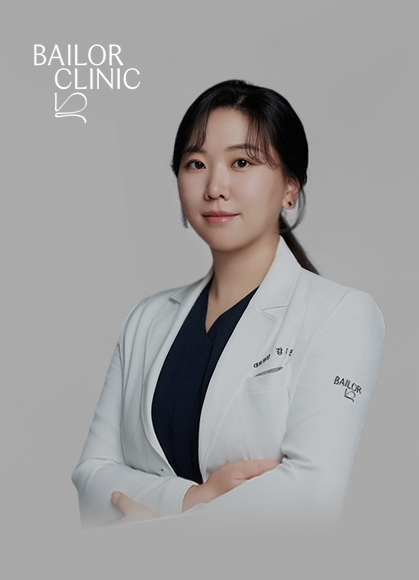
Dr. Jimin Kang, Medical Director
Every texture plan at Bailor starts with a face-to-face skin assessment by a doctor — not a sales counsellor. Dr. Kang's approach is "tailored, not templated": she chooses the product, dose and depth for your skin, and treats you herself or works alongside the other doctors on our in-house medical team.
Texture FAQ
How much does texture treatment cost in Gangnam?
At Bailor in Sinsa, Zoom Pass starts at ₩120,000, AVVIO Fractional at ₩150,000, Pico Fractional and Potenza N-25 at ₩200,000 per session; a 4-session Potenza PREMIUM course is ₩1,850,000, VAT excluded. See Potenza prices.
How many sessions do I need for smoother skin?
Most texture plans use 3–5 sessions about 4 weeks apart. Mild roughness may need fewer; shallow scars usually need more.
Is there downtime?
Fractional laser and RF microneedling typically cause 2–5 days of redness and a rough feel. Lighter options like Zoom Pass or Genesis toning have little or no downtime but work more slowly.
Which is better for texture, Potenza or fractional laser?
Fractional laser mainly works on the surface; Potenza works deeper with radiofrequency and is often preferred for stretched pores and orange-peel texture. Many plans alternate or combine both.
Can texture treatment be done on darker skin?
Yes, with settings adjusted to lower the risk of pigmentation. The doctor may recommend RF microneedling over stronger lasers and a longer interval between sessions.
Can I send photos before booking?
Yes. Photos taken by a window with light from the side show texture best. Send them on WhatsApp at +82 10-3054-1757.