HIKO Nose Lift Disadvantages | Bailor Skin Clinic (Seoul, Korea)
Before You Decide: What You Should Know About HIKO Nose Lifts
The HIKO Nose Lift, also known as a nose thread lift, is a popular non-surgical alternative to rhinoplasty in Korea. It uses fine, dissolvable threads to lift and define the nose bridge and tip without incisions or downtime.
While the results can be quick and natural-looking, it’s important to understand that this treatment also has limitations and potential downsides. At Bailor Skin Clinic in Sinsa, Gangnam, we believe in transparent consultations — including both the pros and the cons.
1️⃣ What the HIKO Nose Lift Can’t Do
Although the HIKO lift enhances nose definition, it has limited reshaping power.
- It cannot correct large humps, crooked noses, or major asymmetries.
- It cannot improve breathing or structural issues like a deviated septum.
- It provides subtle contouring rather than dramatic transformation.
For patients expecting significant change, surgical rhinoplasty may be more appropriate.
2️⃣ Common Disadvantages of HIKO Nose Lift
Shorter Duration of Results
Because the threads dissolve naturally (usually within 12–18 months), the lift effect gradually fades. Maintenance sessions are needed to sustain the shape.
Visible or Palpable Threads
In patients with thin skin, the threads may become visible or feel firm under the skin. This can happen if threads are placed too superficially or if the skin is very delicate.
Thread Movement or Irregularities
Improper technique or excessive pressure after the procedure can cause threads to shift, leading to minor asymmetry or uneven contours.
Potential for Mild Side Effects
Swelling, bruising, or temporary tightness are common for a few days. Rarely, infection or thread extrusion may occur if post-care guidelines are not followed.
Not Ideal for Thick or Oily Skin
Patients with thicker nasal tissue may see less noticeable lifting since the threads have limited mechanical strength.
3️⃣ Suitability & Limitations
The HIKO Nose Lift is best suited for:
- Patients seeking a small lift or subtle refinement
- Those wanting non-surgical enhancement with minimal downtime
- Individuals comfortable with temporary results
It may not be suitable for:
- Patients expecting permanent or dramatic changes
- Those with very thick skin or structural deformities
- Individuals planning surgical rhinoplasty in the near future
4️⃣ Key Considerations Before Getting a HIKO Lift
- Always choose a doctor-led clinic experienced in facial anatomy.
- Request a conservative first session to assess how your skin responds.
- Follow all post-treatment instructions — avoid pressing or massaging the nose.
- Discuss your future goals (e.g., surgical plans) before undergoing the procedure.
5️⃣ Our Honest Approach at Bailor Skin Clinic
At Bailor Skin Clinic, every consultation begins with a full evaluation of your skin thickness, nose structure, and long-term goals. If a HIKO Nose Lift isn’t right for you, we’ll recommend safer or more effective alternatives such as:
- Dermal fillers for bridge definition
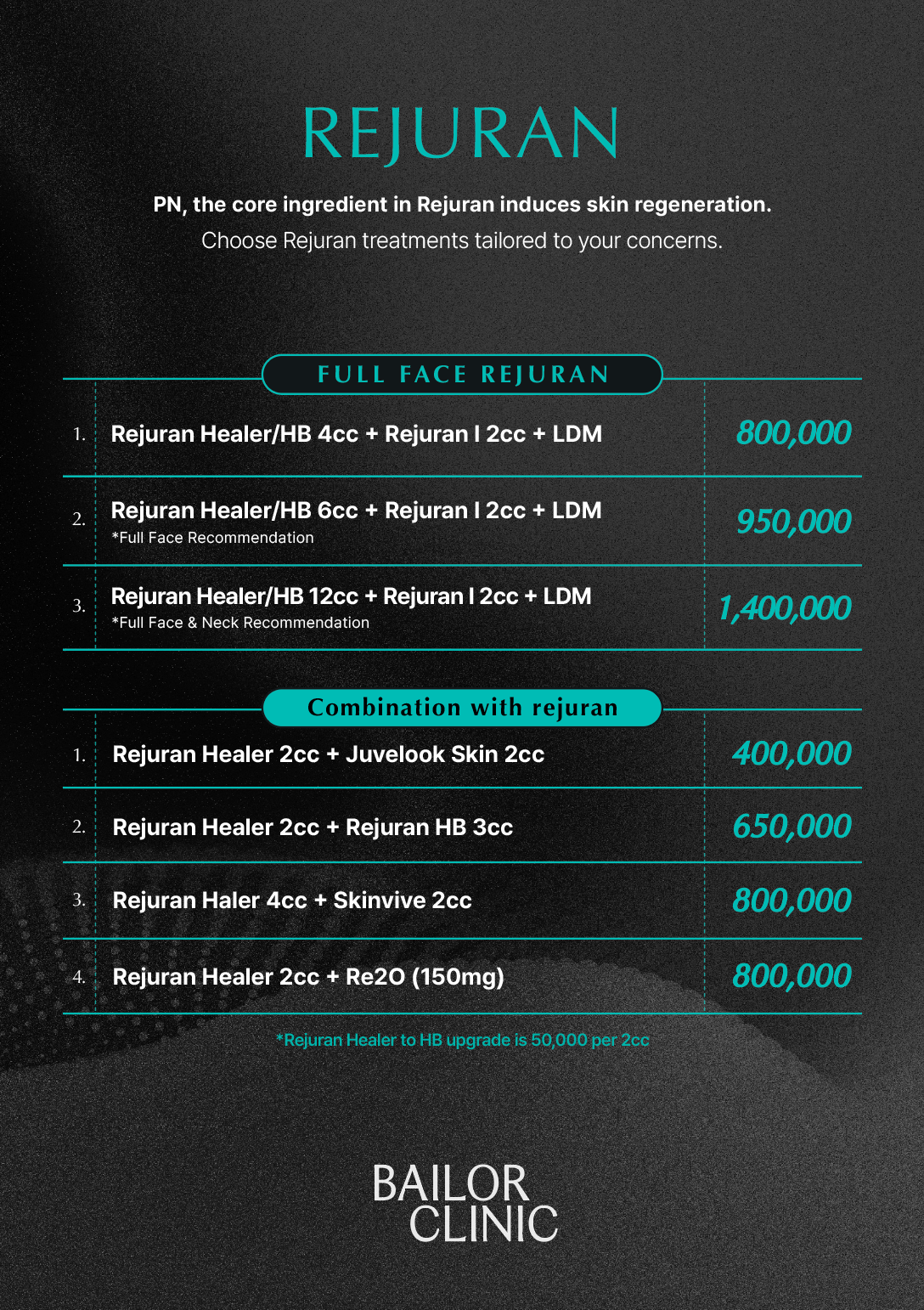
- Thread lifting combined with Rejuran or Juvelook boosters for better contour and elasticity
- Referral to surgical options for patients seeking lasting structural changes
Our philosophy is simple — we recommend only what works safely and realistically for you.
6️⃣ Summary: The Realistic Truth About HIKO Nose Lift
The HIKO Nose Lift is a great option for subtle, short-term enhancement but not a replacement for surgical rhinoplasty. It offers a refined, lifted appearance with minimal downtime — yet results are temporary and technique-sensitive.